The Weight of the Road
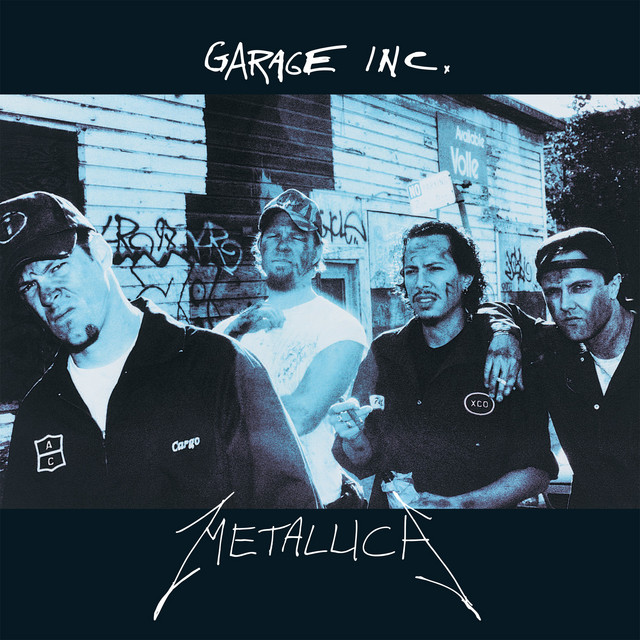
Metallica's cover of Bob Seger's "Turn The Page" on their 1998 album, Garage Inc., transforms a classic rock ballad into a heavy metal anthem that hits hard for anyone who has ever faced the loneliness of life on tour. Seger’s original, penned in 1972, speaks to the existential weariness of a traveling musician. Metallica amplifies this sentiment, infusing it with their signature intensity.
At its core, the song captures the isolation felt by artists as they navigate endless nights in dimly lit bars and arenas. The lyrics paint a vivid picture of the road: "You walk into a restaurant, strung out from the road." This line resonates not just as a depiction of physical fatigue, but as an emotional toll—an all-too-familiar scene for those who tour relentlessly.
From Seger to Metallica: A Generational Shift
Seger’s original version of "Turn The Page" was a reflection of the early '70s music scene, capturing the struggles of that era's musicians. Metallica’s take, however, makes it relevant for the '90s and beyond, showcasing the timeless nature of these sentiments. The band, known for their heavy riffs and raw energy, transforms the reflective quality of the song into a cathartic experience, urging listeners to confront their own battles.
"And you feel the eyes upon you as you're shaking off the cold."
This line illustrates the intense scrutiny that comes with performing. Artists often find themselves under the spotlight, yet feeling utterly alone. Metallica's version highlights the paradox of fame: the more people watch, the more isolated one can feel.
The Burden of Expectation
Life on the road isn’t just about the physical demands; it’s also about the expectation to perform night after night. The pressure can be suffocating, leading to emotional exhaustion. Metallica captures this with the line, "You’re never really sure who’s watching you." This uncertainty compounds the stress of touring, where every performance can feel like a test.
Many musicians have echoed these sentiments, expressing how the constant travel can lead to burnout. The adrenaline rush of live shows is often followed by the stark reality of hotel rooms and long drives, creating a cycle that’s hard to escape. Metallica's cover brings this struggle to the forefront, giving voice to an often overlooked aspect of a musician's life.
Finding Solace in Music
Despite the hardships, there is a sense of solace found in the music itself. The catharsis of performing can be a temporary escape from the loneliness that touring brings. Metallica’s rendition of "Turn The Page" ultimately becomes a celebration of perseverance through adversity. The emotional weight is palpable, as they deliver a powerful reminder that while the road may be tough, the connection with fans can provide a glimmer of hope.
"And you’re walking to the music, you’re walking to the beat."
This line signifies that amidst the struggle, there’s still a rhythm to life that can be embraced, even if it comes with its challenges. It’s a call to continue moving forward, to keep turning the page despite the hardships faced along the way.
Conclusion: The Struggle is Universal
In their cover of "Turn The Page," Metallica has crafted a powerful interpretation that speaks to the universal struggles of artists everywhere. The emotional toll of touring is not just a personal battle; it’s a shared experience among musicians across genres and generations. By channeling their own road experiences into this song, Metallica not only pays homage to Seger but also gives voice to the ongoing narrative of life on tour.
Did you know? Metallica's version of "Turn The Page" was recorded for their Garage Inc. album, which features covers from various artists, showcasing the band's diverse influences.