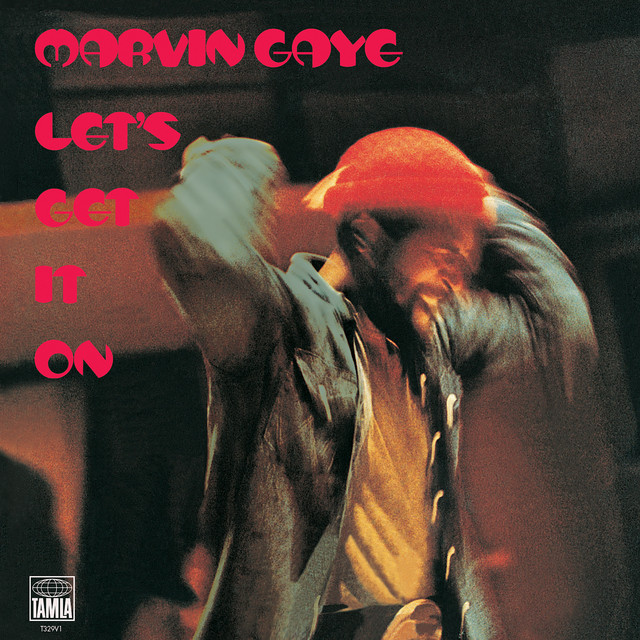
The Soul of Sexual Liberation
When Marvin Gaye released "Let's Get It On" on June 15, 1973, the world was ready for a revolution in sexual expression. This wasn't just another soul track; it was an anthem that encapsulated the burgeoning movement toward sexual liberation in the 1970s. By fusing the themes of love and desire with a sultry sound, Gaye crafted a song that transcended mere entertainment, becoming a cultural touchstone for a generation.
A Shift in Conversation
Prior to Gaye's release, discussions around sex in popular music often skirted around the topic, if they addressed it at all. Artists like The Beatles had hinted at love and attraction, but Gaye went further. He made the conversation explicit yet tender, creating a safe space for listeners to explore their own desires. The lyrics invite vulnerability and connection, urging lovers to embrace their physical passions:
"Come on, come on, come on, come on / Baby, let's get it on."
Cultural Context and the 1970s
The early 1970s were marked by significant social change. The sexual revolution of the previous decade had laid the groundwork, and Gaye's track arrived just as attitudes toward sex began to shift dramatically. The feminist movement, the rise of the LGBTQ+ rights movement, and the advent of birth control were all influencing how people viewed intimacy and relationships. Gaye's smooth, soulful delivery became a soundtrack for this newfound freedom, allowing people to celebrate their bodies and desires without shame.
Interestingly, "Let's Get It On" was inspired by Gaye's own experiences and his desire to promote love and understanding in a tumultuous time.
The Sound of Seduction
Produced by Gaye himself, the track features a lush arrangement that pulls listeners into a warm, intimate space. The sensuous grooves paired with Gaye's falsetto create an atmosphere ripe for romance. Unlike the more aggressive tones of rock or disco that emerged in the same era, Gaye's approach was soft and inviting, emphasizing connection over conquest. This was crucial in making the message of sexual liberation accessible to a wider audience.
The Legacy of 'Let's Get It On'
More than just a hit, "Let's Get It On" became a blueprint for future artists. Its influence can be traced through generations of musicians who would tackle themes of love and sexuality in a similarly bold manner. Songs like D'Angelo's "Untitled (How Does It Feel)" or even modern hits from The Weeknd draw from Gaye's playbook, showing that the need for open dialogue about sexuality in music remains relevant.
Conclusion: Love as Liberation
Ultimately, Marvin Gaye's "Let's Get It On" did more than just top the charts; it redefined how we talk about love and desire. In a decade that sought to break free from the constraints of the past, Gaye's soulful anthem served as both a celebration of intimacy and a rallying cry for sexual liberation. It remains a timeless reminder that love, in all its forms, is something to be cherished and embraced.