Struggling with Love and Identity
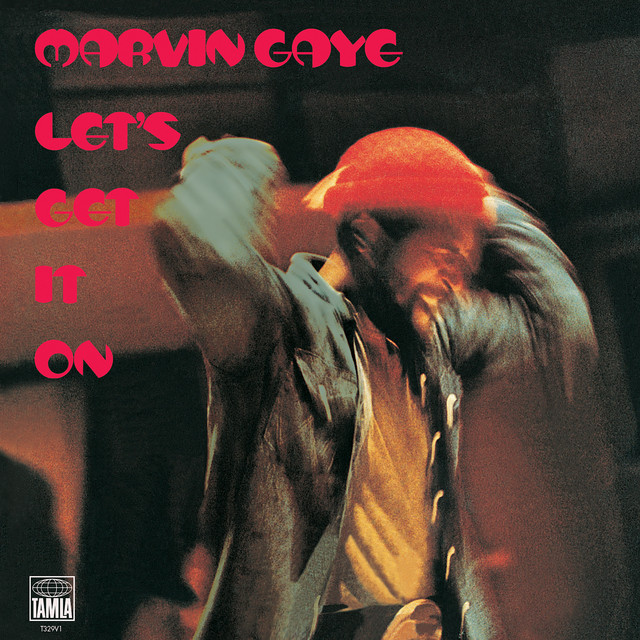
Marvin Gaye's "Let's Get It On" is more than just a sultry anthem; it’s a reflection of the artist's tumultuous personal life during a pivotal moment in his career. Released on June 15, 1973, as part of the album of the same name, the song emerged from a period marked by emotional turmoil and a quest for self-acceptance.
At the time, Gaye was grappling with intense personal struggles, particularly surrounding his marriage to Anna Gordy. The couple had been through a rocky relationship, marred by infidelity and allegations of betrayal. This context adds a layer of complexity to the song's lyrics, which speak to a longing for connection and intimacy. Gaye's own experiences with love and heartbreak infuse the track with authenticity that listeners can feel.
Creative Liberation
Following the commercial success of his 1971 album "What's Going On," Gaye sought to assert his independence as an artist. He was tired of being pigeonholed by Motown's strict commercial formulas. The creation of "Let's Get It On" became a vehicle for Gaye to express his sexual and emotional liberation. The lush instrumentation and smooth grooves reflect an artist breaking free from the constraints of his past.
"Let’s get it on, let’s get it on, let’s get it on / I’ve been really tryin’, baby, tryin’ to hold back this feeling for so long"
These lines encapsulate Gaye's raw desire and the urgency he felt in both love and life. The repetition of “let’s get it on” speaks to a yearning for connection, while also hinting at the internal battles he faced. It’s as if Gaye is pleading not just with his partner, but also with himself to embrace his true desires.
A Soulful Soundtrack
Produced by Gaye himself alongside Ed Townsend, the track blends elements of soul, funk, and R&B, creating a sensual backdrop that complements the emotional weight of the lyrics. The slow-burning groove invites listeners into Gaye's world, one that is both inviting and vulnerable. It's a sonic representation of his struggle to balance passion with the pain of personal demons.
Did you know? The album "Let’s Get It On" was a massive commercial success, reaching No. 2 on the Billboard 200 and solidifying Gaye’s status as a soul icon.
Facing Inner Demons
Yet, the song isn't merely a celebration of love; it also reflects Gaye's internal conflicts. During the recording process, he was deeply affected by the pressures of fame and the expectations of those around him. The contradictions in his life—celebrated artist but troubled man—shine through in the music. It’s this duality that makes "Let's Get It On" an enduring classic.
"There’s nothing wrong with me loving you, baby / No, no, no, no, no"
Here, Gaye confronts societal norms and personal fears. His insistence that there’s nothing wrong with his love reflects a struggle against the stigma often associated with desire and intimacy. This defiance resonates with anyone who has felt constrained by external expectations.
A Lasting Legacy
Marvin Gaye's legacy is forever intertwined with the struggles he faced in his life. "Let's Get It On" is not just a staple of romantic playlists; it’s a testament to the power of vulnerability. The track's sensuality is a powerful counterpoint to the artist's inner turmoil, and it champions the authenticity of emotional expression.
In the end, Gaye transformed his pain into art, creating a song that speaks to the complexities of love and desire. It remains a reminder that even in our struggles, there is beauty to be found in the pursuit of connection.