Echoes of Struggle
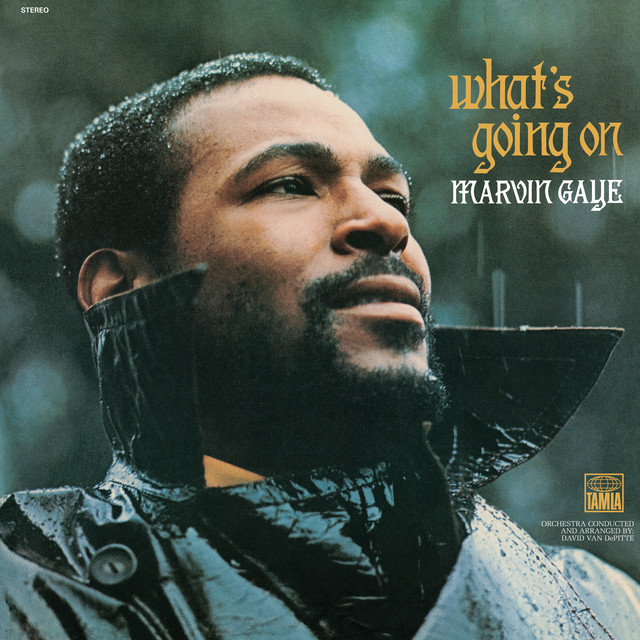
Marvin Gaye's "Inner City Blues (Make Me Wanna Holler)" is not just a song; it’s a haunting anthem that reflects the socio-economic struggles faced by Black Americans. Released in 1971 as part of his groundbreaking album "What’s Going On," the track dives into the despair of urban life, addressing themes of poverty and systemic injustice. Nearly five decades later, its relevance has only intensified, particularly in the context of the Black Lives Matter movement.
Timeless Relevance
The lyrics, with their raw honesty, capture the frustration of living in a world that seems indifferent to suffering. Gaye laments,
This line encapsulates a deep-seated yearning for justice and recognition. It strikes a chord in today's climate, where the call for equity and justice resonates loudly in protests across the nation."Make me wanna holler, the way they do my life"
Released in 1971, "Inner City Blues" was part of Gaye's concept album that challenged societal norms, making it a precursor to contemporary protest music.
From the Streets to the Stage
The Black Lives Matter movement has revived interest in protest music, and Gaye’s work stands as a critical touchstone. Activists have adopted his messages, using them as rallying cries during demonstrations. The song’s emphasis on social injustice mirrors the very issues that sparked BLM — police brutality, systemic racism, and economic disparity.
During the protests, many participants have echoed Gaye's sentiment when chanting about the need for change. The raw emotion in his voice serves as a reminder that the struggles faced by the Black community are ongoing, and his music remains a powerful tool for activism. The sentiment that the system is rigged against marginalized communities resonates through lines like
highlighting the urgency of reform."Crime is increasing, triggers are squeezing"
Soundtrack of Resistance
In the wake of tragedies such as the deaths of George Floyd and Breonna Taylor, songs like "Inner City Blues" are being reclaimed by a new generation of activists. They are not just listening to the music; they are living it. The song has become emblematic of the pain and resilience of a community that refuses to be silenced.
Moreover, Gaye’s work transcends mere entertainment; it serves as a historical record of pain and resilience. The emotional depth of "Inner City Blues" allows it to function as both a critique and a call to action, making it a fitting soundtrack for the modern movement. Its somber tone and urgent lyrics underscore the real-life implications of systemic neglect.
Legacy of Hope
As the Black Lives Matter movement continues to evolve, the connection to Gaye’s music remains strong. His vision of a better, more equitable world fuels the hopes of activists and listeners alike. The lines of his songs turn into mantras, reminders of the work yet to be done. Gaye’s plea for change—
—is a clarion call that urges the current generation to keep pushing for justice."You know we’ve got to find a way"
In a world where music often serves as escapism, Gaye’s "Inner City Blues" roots us back in reality, reminding us that the fight for justice is not only necessary but also urgent.