The Weight of Personal Pain
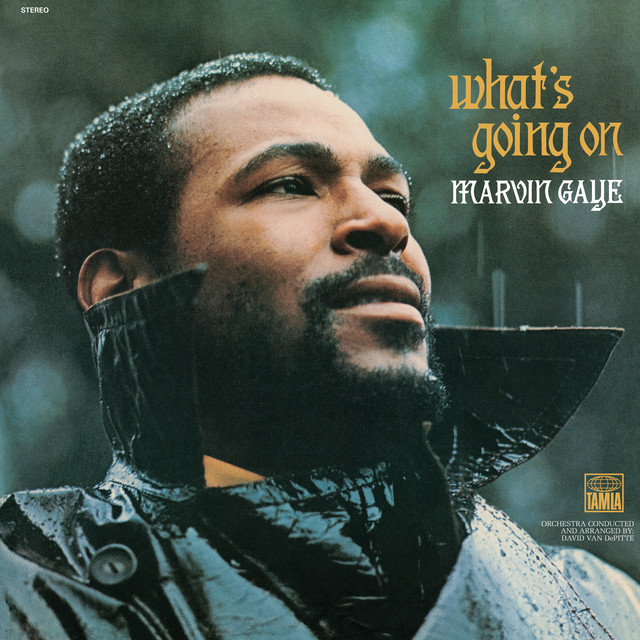
Released in 1971 as part of his groundbreaking album, What's Going On, Marvin Gaye's "Inner City Blues (Make Me Wanna Holler)" stands out as a stark reflection of his personal hardships and the socio-economic struggles of urban America. Gaye was navigating a tumultuous period in his life, grappling with the pressures of fame, mental health issues, and a complicated relationship with his father. These struggles seeped into his music, giving it a raw authenticity that resonates powerfully even today.
A Mirror to Society
At its core, "Inner City Blues" is a lament for the disenfranchised and a critique of systemic injustice. Gaye's lyrics articulate a sense of despair:
This line encapsulates the frustration felt by many in the inner city, but it also mirrors Gaye's internal battle, as he often felt trapped by the expectations placed upon him by the industry and his own family."Make me wanna holler / The way they do my life."
Musical Context and Production
The song is steeped in soul, with its slow, haunting melody and a lush arrangement that was a hallmark of Gaye's work during this era. Produced by Gaye himself alongside his musical collaborators, the track features a blend of orchestral elements and deep grooves that enhance the emotional weight of the lyrics. The instrumentation acts as a backdrop for Gaye’s poignant delivery, making each note and phrase feel like a personal confession.
Interestingly, "Inner City Blues" was part of a larger narrative within the What's Going On album, which explores themes of love, war, and social change.
Personal and Political
Gaye's struggles were not merely personal; they were intertwined with the societal issues of his time. The early 1970s in America were marked by civil rights movements, economic downturns, and urban decay. Gaye’s lyrics reflect this complex reality:
This line speaks not only to the environment in which he lived but also serves as a critique of the systems that perpetuated these issues."Crime is increasing / Trigger happy policing."
Legacy of Inner City Blues
“Inner City Blues” remains a powerful anthem for those fighting against systemic oppression. Gaye's ability to translate his personal struggles into universal themes of pain and resilience is what makes this song timeless. It’s a testament to his artistry that he could weave his own life experiences into a broader social commentary, creating a piece of music that speaks to generations.
Conclusion
Marvin Gaye’s "Inner City Blues (Make Me Wanna Holler)" is more than a song; it’s a reflection of a man caught between his personal demons and the harsh realities of the world around him. Through this track, Gaye not only laid bare his soul but also gave voice to the voiceless, ensuring that his message would echo far beyond the confines of the studio.