The Backbone of a Classic
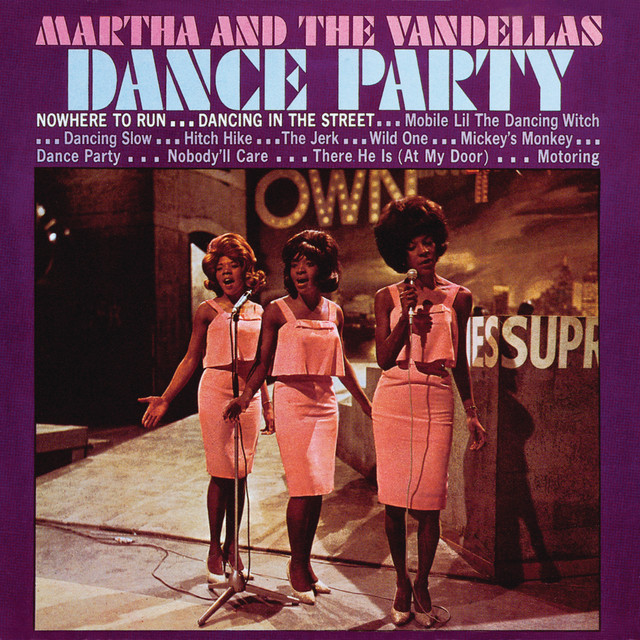
When you think of Motown anthems, few songs shine as brightly as "Dancing In The Street". Written by Marvin Gaye, William Stevenson, and Ivy Jo Hunter, this 1964 hit for Martha Reeves & The Vandellas is a celebration of joy and togetherness. But what many might not realize is how the song's origins are steeped in the social context of its time, and how the chorus came to symbolize a much larger movement.
A Call to Unity
The iconic chorus, with its infectious invitation to dance, transcends mere lyrics. The repeated line, "Dancing in the street," functions as a rallying cry, encouraging people to forget their troubles and come together. This wasn't just a catchy hook; it was a response to the unrest of the era, a call for community amidst chaos. The Vandellas' delivery is spirited, yet it hints at the urgency behind the message.
"Callin' out around the world, are you ready for a brand new beat?"
This line encapsulates the spirit of the 1960s, a decade marked by social change and civil rights movements. The Vandellas' performance was not just about entertainment; it was about igniting a sense of hope and unity among listeners. Each note and syllable was laced with the yearning for a better tomorrow.
A Unique Collaborative Fusion
The writing team behind the song brought together different influences that shaped its sound. Marvin Gaye, already a burgeoning star, infused his flair for rhythm and melody. Ivy Jo Hunter and William Stevenson contributed their songwriting prowess, creating a track designed to ignite dance floors. The result was a funky, upbeat sound that was as revolutionary as its message.
In 2023, Martha Reeves was ranked number 151 on Rolling Stone's list of the 200 Greatest Singers of All Time, highlighting her enduring impact.
Beyond the Dance
While the song is often celebrated as a feel-good anthem, its origins are intertwined with the challenges faced by African Americans during the civil rights movement. The Vandellas were part of an era where music served as a conduit for change. The chorus, in particular, became a metaphor for liberation. It wasn’t just about dancing; it was about claiming space and asserting joy amid adversity.
"It doesn't matter what you wear, just as long as you are there."
This lyric reinforces the idea that the act of coming together is more significant than individual differences. It’s an invitation to let go of societal constraints and embrace a collective identity. The Vandellas were not just singing; they were forging connections, creating a sense of belonging.
A Legacy Reimagined
Fast forward to the 1980s and 1990s, when "Dancing In The Street" found new life through various covers, most notably by David Bowie and Mick Jagger in 1985. Their version, while different, paid homage to the original's spirit, reminding audiences that the need for unity and celebration was timeless. The song has since been used in countless films and commercials, solidifying its status as a cultural touchstone.
The Power of the Chorus
The chorus of "Dancing In The Street" has become an indelible part of American music history. It’s a testament to the power of collaboration and the impact of a simple yet profound invitation to dance. The Vandellas’ rendition, vibrant and full of life, continues to inspire generations. In a world that often feels divided, the song serves as a reminder that sometimes, all it takes is a little rhythm to bring people together.