The Roots of a Movement
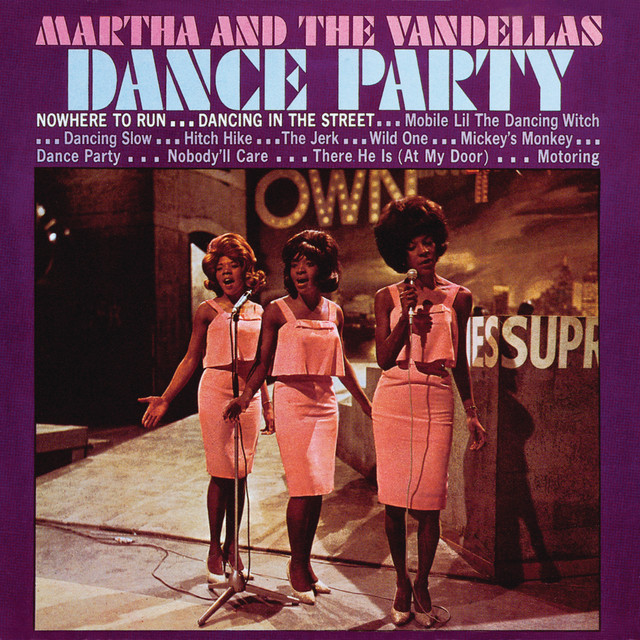
Released in 1964, "Dancing in the Street" was a product of the Motown machine, crafted by the legendary Marvin Gaye alongside William Stevenson and Ivy Jo Hunter. Originally recorded by Martha and the Vandellas, this track exploded into the cultural consciousness, not just as a hit but as an anthem that transcended mere entertainment. Its upbeat tempo and call to celebration were perfectly timed with the social upheaval of the 1960s, making it an ideal backdrop for the Civil Rights Movement.
A Call for Unity
The chorus of the song, with its infectious invitation to "Dancing in the street," became a metaphor for unity and collective joy. In a time when racial tensions were palpable and protests were taking place nationwide, the song offered a vision of togetherness. Lines like
conveyed an image of diverse communities coming together, a sentiment desperately needed during such divisive times."We're gonna be dancing in the street"
The Soundtrack of Protest
Over the decades, the song has been co-opted by various social movements, from anti-war protests to LGBTQ+ pride marches. Its message is universal, the idea that joy and rebellion can coexist has made it a go-to anthem for those seeking change. During the summer of 2020, amid protests for racial justice, "Dancing in the Street" once again found itself in the limelight as activists played it at rallies, reminding everyone that resistance can be as joyous as it is serious.
Modern Interpretations
Cover versions by artists like David Bowie and Mick Jagger in 1985 brought the song to a new audience, but it’s the original that holds the most emotional weight. Each rendition highlights the song’s enduring relevance, showcasing how it can adapt to the times while retaining its core message of unity and celebration.
Martha Reeves was born in Eufaula, Alabama, and has been recognized for her powerful voice, recently ranking 151 on Rolling Stone's list of the 200 Greatest Singers of All Time.
The Legacy of Joyful Resistance
"Dancing in the Street" is more than just a song; it’s a cultural artifact that reflects the desires of generations. In a world often marred by conflict, the track serves as a reminder that joy can be a form of resistance. The line
epitomizes liberation, encouraging people to come together regardless of their backgrounds."It doesn't matter what you wear"
Conclusion: The Power of Song
As we continue to face social challenges, the enduring spirit of "Dancing in the Street" reminds us that music has the power to unite and inspire. The song’s infectious rhythm and uplifting message will likely continue to echo through the streets, serving as a reminder that in our fight for justice, we can find joy and togetherness.