Defying the Backlash
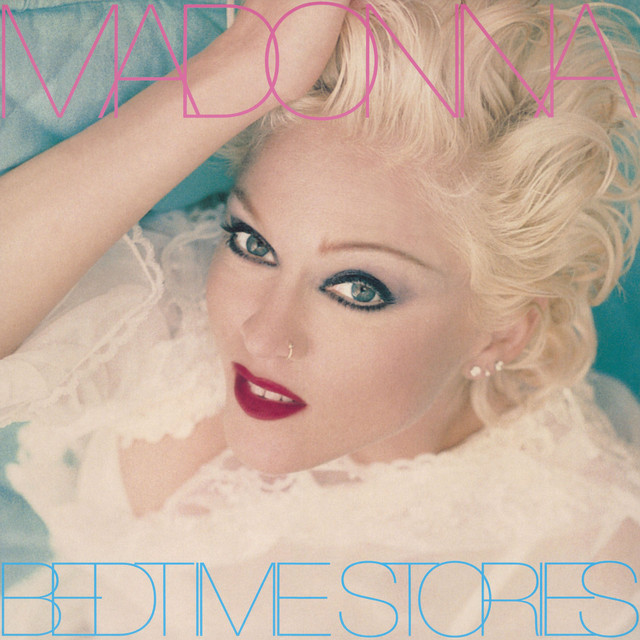
Madonna has always been a provocateur, but her 1994 single, "Human Nature," stands out as a direct response to the media’s relentless scrutiny of her personal and artistic choices. As part of her sixth studio album, Bedtime Stories, this track emerged during a time when Madonna faced intense backlash for her bold exploration of sexuality, particularly in her previous album, Erotica.
Unlike her earlier work, "Human Nature" shifts the focus from overt sexual imagery to a more nuanced conversation about self-acceptance and the autonomy of women to express their desires without fear of judgment. The song opens with the unapologetic declaration,
This line sets the tone for an anthem of defiance against societal norms that dictate how women should behave."I'm not sorry, it's human nature."
Feminism and Autonomy
Madonna’s lyrics challenge the patriarchal expectations placed on women, particularly around sexuality. By stating her refusal to apologize for her nature, she positions herself—and by extension, all women—as beings with agency. The message is clear: women should not be shamed for their desires or choices.
The chorus further emphasizes this sentiment, reinforcing the idea that self-expression is not only natural but necessary. The song’s production, helmed by the talented duo of Madonna and André Betts, blends pop and R&B elements, creating a soundscape that feels both contemporary and rebellious.
Sexuality as Empowerment
Madonna’s relationship with sexuality has always been complex. In "Human Nature," she refrains from the explicitness of her past work, opting instead for a more introspective tone. The lyric,
cleverly critiques the societal expectation that women must cater to male sensibilities. Here, she flips the narrative, suggesting that men often feel threatened by women who own their truth."Did I say something way too honest, made you feel like you’re a man?"
By embracing her identity and experiences, Madonna becomes a beacon for feminist discourse. She invites listeners to reflect on how societal norms shape their perceptions of femininity and self-expression. In a world that often punishes women for being unapologetically themselves, her stance is revolutionary.
Legacy and Impact
"Human Nature" is not just a response to criticism; it is a cultural statement that has resonated through the years. As feminism continues to evolve, Madonna's message remains relevant, particularly in the context of modern discussions around body positivity and sexual autonomy. The song’s defiance of societal norms is a reminder of the ongoing struggle for women to reclaim their narratives.
Interestingly, the music video for "Human Nature" further amplifies the song's themes, featuring provocative imagery and choreography that celebrates the female form, further asserting Madonna's unwavering commitment to her artistic vision.
In a climate where female artists are often subjected to double standards, Madonna’s bold stance in "Human Nature" continues to inspire generations of women to embrace their true selves without apology. It is a testament to the power of art as a vehicle for social change, and a call to action for women everywhere to own their nature, unapologetically.