The Backlash that Sparked a Response
When Madonna released "Human Nature" in 1994, the world was still reeling from the provocative images and themes she had explored in her previous works. The backlash against her unabashed exploration of sexuality reached a fever pitch with the release of her 'Sex' book and the 'Erotica' album. Critics and audiences alike were quick to condemn her, labeling her as overly sexual and provocative. Yet, rather than retreat into silence, Madonna responded with an anthem that was both a defiant statement and a reflection on the nature of human desire.
A Toned-Down Approach
"Human Nature" is an interesting pivot. While it retains the sexual undertones that Madonna is known for, it approaches them with a more subdued tone. Co-written with Dave Hall, the song is a blend of R&B and pop, marking a shift from the explicit nature of its predecessors. The production feels both sultry and playful, embodying Madonna's ability to mix sensuality with sophistication.
The Heart of the Matter
In the chorus, Madonna repeats the phrase "I'm not sorry," a powerful declaration of self-acceptance and defiance. This line captures the essence of her response to her critics. Instead of being apologetic for her sexuality, she embraces it, challenging societal norms. The lyrics convey a message of empowerment:
Here, she acknowledges the flawed nature of humanity while asserting her right to express herself as she chooses."Human beings are not perfect / We’re not the same, we’re not the same"
Addressing the Controversy
Madonna's ability to confront the controversy head-on is what makes "Human Nature" stand out. The song serves as a declaration of autonomy, pushing back against the idea that she should conform to societal expectations. Lines like
capture the frustration of being judged for one's choices. Madonna takes ownership of her narrative, transforming the backlash into a bold proclamation of her identity."I’m trying to be nice, but you’re making it hard"
A Cultural Moment
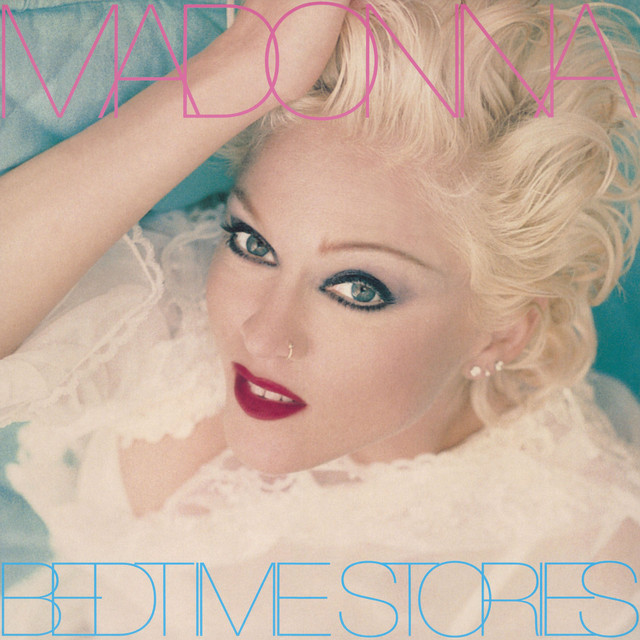
Released on her sixth studio album, 'Bedtime Stories', "Human Nature" was not just a song but a cultural moment. The album, which features a softer sound compared to her earlier work, is often seen as an attempt to reframe her image. Yet, with "Human Nature," she refuses to be boxed in. The song's themes are relevant not only to her personal journey but also to broader conversations about female empowerment and sexual autonomy.
Did you know? "Human Nature" was not just a commercial success; it also sparked discussions about women's rights and self-expression in the 1990s.
The Legacy of 'Human Nature'
Over the years, "Human Nature" has been embraced as a queer anthem, celebrated for its unapologetic stance on sexuality. It resonates with those who feel marginalized or judged for their identities. In a way, Madonna's defiance in this song paved the way for future artists to explore their own sexuality without fear of backlash.
Conclusion
Ultimately, "Human Nature" is more than just a response to criticism; it is a celebration of self-acceptance and individuality. Madonna's fearless approach in confronting the controversy surrounding her sexuality has left an indelible mark on pop culture, redefining what it means to be a woman in the music industry. The song remains a testament to her resilience, proving that sometimes, the most powerful response is to simply be unapologetically yourself.