From Piaf to Armstrong: A Cultural Journey
When Édith Piaf penned "La Vie en rose" in 1945, the world was just emerging from the ashes of World War II. The song emerged as a beacon of hope, a musical declaration of love that offered a reprieve from the grim realities of everyday life. It encapsulated the spirit of a generation longing for joy, and its subsequent interpretations have only deepened its resonance.
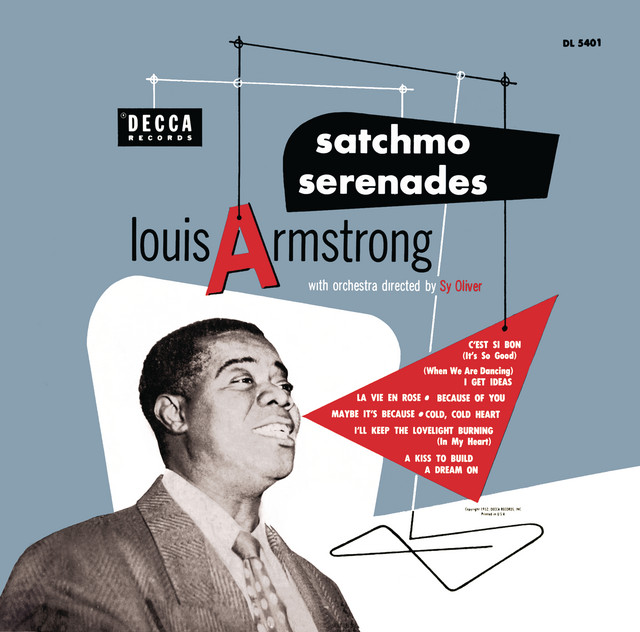
Louis Armstrong's version, released in 1950, brought a new flavor to this classic. Armstrong, known for his ability to infuse jazz with deep emotional layers, transformed Piaf's poignant lyrics into a celebration of life itself. With his gravelly voice and distinctive trumpet, he added a layer of warmth and optimism that perfectly matched the post-war zeitgeist.
A Song for a Changing World
The 1940s and 1950s marked a significant shift in cultural attitudes. As soldiers returned home and economies began to rebuild, the public craved symbols of positivity. Armstrong's rendition of "La Vie en rose" became an anthem for this newfound optimism. His interpretation highlighted not just romantic love, but a broader appreciation for life's simple pleasures.
The line “Quand il me prend dans ses bras, il me parle tout bas” (When he takes me in his arms, he speaks to me softly) became a universal expression of love that transcended language and geography. Armstrong's joyful inflection turned this intimate sentiment into a communal celebration.
Jazz as a Vehicle for Hope
Jazz had always been a genre steeped in resilience, emerging from the struggles of African American communities. By the time Armstrong recorded "La Vie en rose," jazz had evolved into a mainstream genre, symbolizing freedom and creativity. His version of the song not only honored its French roots but also infused it with an American spirit of hope.
In a post-war context, Armstrong's interpretation resonated with listeners who needed a reminder of life’s beauty amidst chaos. The buoyant tempo and uplifting brass arrangements painted a picture of a world where love could triumph over adversity.
Legacy of Optimism
Armstrong's "La Vie en rose" has since become a staple of American music, often associated with moments of joy and celebration. Its impact goes beyond mere nostalgia; it serves as a historical marker of a time when the world was ready to embrace happiness again.
Interestingly, the song's resurgence in popularity during the 1960s and 1970s can be attributed to its universal themes of love and hope. It became a soundtrack for generations seeking solace in turbulent times, proving that great music can transcend its era.
Did you know? Louis Armstrong's "La Vie en rose" was recorded for his album 'Louis Armstrong's All-Time Greatest Hits' in 1970, but his 1950 single version is the one that truly captured hearts.
A Timeless Message
As we reflect on the timeless qualities of "La Vie en rose," it’s clear that its essence lies in its ability to inspire. Armstrong's rendition remains a powerful reminder that, even in the darkest times, we can find light in love. The song’s enduring popularity speaks to its universal truth: life is indeed beautiful when viewed through the lens of love.
In a world where optimism can often feel fleeting, "La Vie en rose" serves as a reminder of the resilience of the human spirit and the joy that can arise from love and connection.