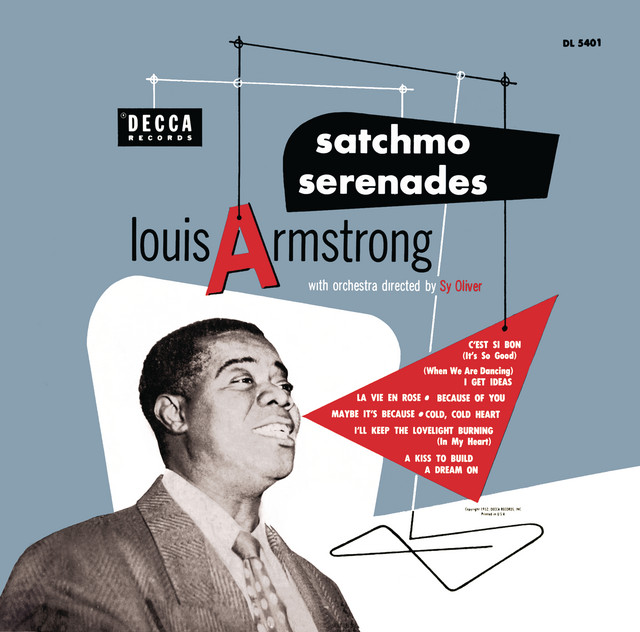
The Jazz Icon Meets a French Classic
When Louis Armstrong released his version of "La vie en rose" in 1947, he took a song that was already drenched in emotion and infused it with his unmistakable jazz sensibility. Originally penned by Édith Piaf in 1945, this song had become a hallmark of French romanticism, filled with longing and desire. Armstrong, however, turned it on its head, introducing warmth and charm through his unique vocal delivery and masterful trumpet playing.
A New Interpretation of Love
Armstrong's rendition is not merely a cover; it's a reinterpretation that shifts the song's emotional weight. Piaf's original, while filled with yearning, often carries a sense of melancholy. Armstrong's version, conversely, radiates joy and celebration. His gravelly voice, imbued with sincerity, encapsulates the essence of love in a way that feels both intimate and grand.
"When he takes me in his arms, he speaks to me all the while."
This line, originally sung by Piaf, takes on a new life through Armstrong's interpretation. His delivery emphasizes the comfort and safety found in love, a stark contrast to the more bittersweet tones of the original. The way he plays with the rhythm, stretching syllables and adding playful inflections, transforms the song into a joyous celebration of romance.
Jazz Influence and Vocal Prowess
Armstrong was no stranger to infusing songs with his personality. His ability to improvise and play with melodic lines made each performance unique. In this version of "La vie en rose," his trumpet solos weave seamlessly between the vocal lines, creating a dialogue that enhances the emotional impact. The lush orchestration, produced by the legendary Bob Thiele, provides a rich backdrop that complements Armstrong's vocal stylings perfectly.
Louis Armstrong's version of "La vie en rose" became a significant part of his repertoire and helped popularize jazz standards worldwide.
A Timeless Legacy
The impact of Armstrong's rendition extends beyond just the song itself. It helped bridge cultural gaps post-World War II, introducing French music to American audiences in an accessible format. Armstrong's interpretation not only honored Piaf's original vision but also reinvented it for a new generation. His version became a staple in the jazz canon, showcasing how one artist can redefine the meaning of a classic.
Conclusion: The Magic of Transformation
Ultimately, Louis Armstrong's "La vie en rose" captures the magic of love and the power of music to transform. His ability to take a poignant love song and cloak it in joy reminds us of the diverse ways we can interpret feelings through art. Armstrong's legacy is one of innovation and joy, and this rendition stands as a testament to his genius.