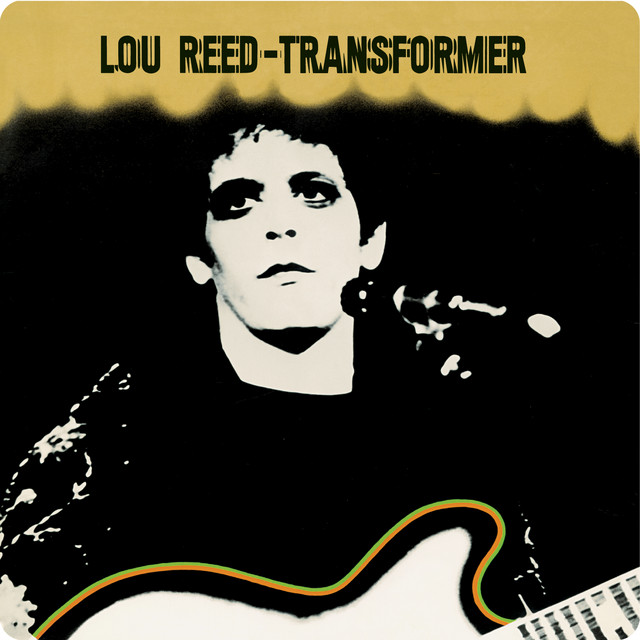
The Pulse of New York's Underground
When Lou Reed released "Walk On the Wild Side" in 1972 on his album Transformer, he tapped into the raw energy and gritty realities of New York City's underground scene. This song, with its infectious bass line and slick glam rock production by David Bowie, was more than just a catchy tune; it was a vivid exploration of the lives of marginalized figures.
Characters from the Shadows
Reed's lyrics paint a colorful yet stark portrait of characters who exist on the fringes of society. Lines like "But she never lost her head / Even when she was giving head" challenge the listener to confront the complexities of sexuality and identity. These are not mere anecdotes; they are the voices of a vibrant yet overlooked community.
"But she never lost her head / Even when she was giving head"
In a city that often celebrated conformity, Reed chose to shine a light on those who dared to live authentically. The characters he created—like the androgynous Holly Woodlawn and the hustler Candy Darling—were embodiments of a countercultural ethos that was thriving in the back rooms of clubs like Max's Kansas City and the Stonewall Inn.
The Warhol Connection
The influence of Andy Warhol looms large over Reed's work. Warhol's Factory was a crucible for artistic experimentation, where gender norms were challenged and art collided with everyday life. Reed's association with Warhol and the Velvet Underground, a band that defied musical conventions and embraced avant-garde aesthetics, laid the groundwork for the raw authenticity that "Walk On the Wild Side" celebrated.
Did you know? Reed's song was inspired by real-life figures from the Warhol scene, highlighting the complexities of identity and the spectrum of human experience.
The Glam Rock Influence
With Bowie’s production, Reed's sound took on a glam rock gloss that was both inviting and unsettling. The music itself stands in stark contrast to the lyrics, creating a dissonance that forces listeners to grapple with the weight of the stories being told. Reed’s ability to blend catchy melodies with controversial themes was groundbreaking—he wasn’t just making music; he was making a statement.
A Cultural Snapshot
"Walk On the Wild Side" is a snapshot of a time and place, a reflection of a New York City that was rife with both danger and possibility. The song's infectious chorus, with its rhythmic backing vocals echoing the phrase "doo-doo-doo-doo-doo-doo," invites listeners to join in while simultaneously confronting them with the harsh realities of the lives being depicted.
"And the colored girls go doo-doo-doo-doo-doo-doo"
These lyrics highlight the vibrant, often overlooked contributions of women and LGBTQ+ individuals in shaping the cultural fabric of the era. Reed's inclusion of them in his narrative was revolutionary, paving the way for future artists to explore similar themes.
The Legacy of 'Walk On the Wild Side'
Decades later, "Walk On the Wild Side" remains a landmark in rock history, not just for its musical innovation but for its unapologetic celebration of diversity and individuality. Reed's willingness to embrace the unconventional has inspired countless artists across genres, making the song a timeless anthem for those who walk on the wild side of life.