Subversive Glam and Streetwise Narratives
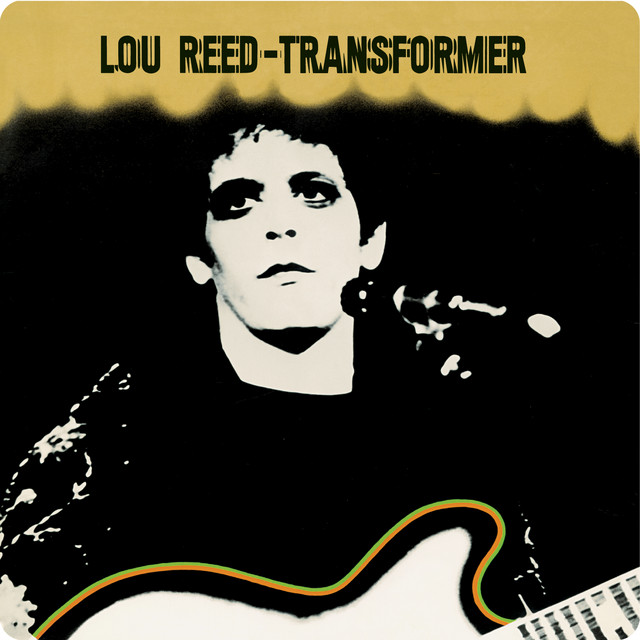
When Lou Reed released "Walk On the Wild Side" in 1972, it was more than just a catchy tune; it was a revolutionary statement in the realm of LGBTQ+ representation in music. The song, produced by the iconic David Bowie, emerged from Reed's second solo album, Transformer, and was steeped in the gritty realities of New York City's underground scene. This was not just music; it was a raw reflection of life, identity, and the often-overlooked stories of marginalized individuals.
A Celebration of the Unconventional
Reed's lyrics paint vivid portraits of characters like Holly Woodlawn and Candy Darling, drag queens who became icons in their own right. The line,
serves not just as a catchphrase but as a celebration of diversity and a nod to the vibrant LGBTQ+ community. This was a bold move for a rock artist at a time when such topics were largely taboo."And the colored girls say, doo doo doo doo doo doo doo doo,"
Cultural Context: A Time of Change
The early '70s were a pivotal period for LGBTQ+ rights, with the Stonewall riots just a few years prior in 1969. Reed’s work, including "Walk On the Wild Side," acted as a soundtrack for a burgeoning movement that sought visibility and acceptance. The song's frank depictions of gender nonconformity and sexuality resonated with those who felt marginalized, providing a voice to the voiceless.
Did you know? "Walk On the Wild Side" reached No. 16 on the Billboard Hot 100, making it one of the first mainstream hits to feature LGBTQ+ themes.
Breaking Barriers in Mainstream Music
What makes Reed's song groundbreaking is its unapologetic portrayal of LGBTQ+ lives, a stark contrast to the prevailing narratives of the time. The way Reed approached these stories—without shame or sensationalism—invited listeners to confront and embrace the complexities of human identity. This was not merely a song; it was a call to walk alongside those often pushed to the margins.
Influence on Future Generations
The impact of "Walk On the Wild Side" extends far beyond its initial release. Artists across genres have cited Reed as an influence, with many following in his footsteps to explore similar themes. From the glam rock of the '70s to contemporary pop icons like Sam Smith and Lil Nas X, the foundation laid by Reed has allowed for more open discussions around sexuality and identity in music.
Legacy of Acceptance
Lou Reed's boldness in addressing LGBTQ+ themes in "Walk On the Wild Side" has left an indelible mark on the music industry. It opened doors for conversations that were once considered taboo and encouraged artists to express themselves authentically. Today, the song stands not only as a classic but as a symbol of progress and acceptance in the world of music.
As we reflect on its legacy, it's crucial to recognize that Reed's work was not just about the stories he told; it was about the voices he amplified, paving the way for a more inclusive future in music.