The Birth of a Legend
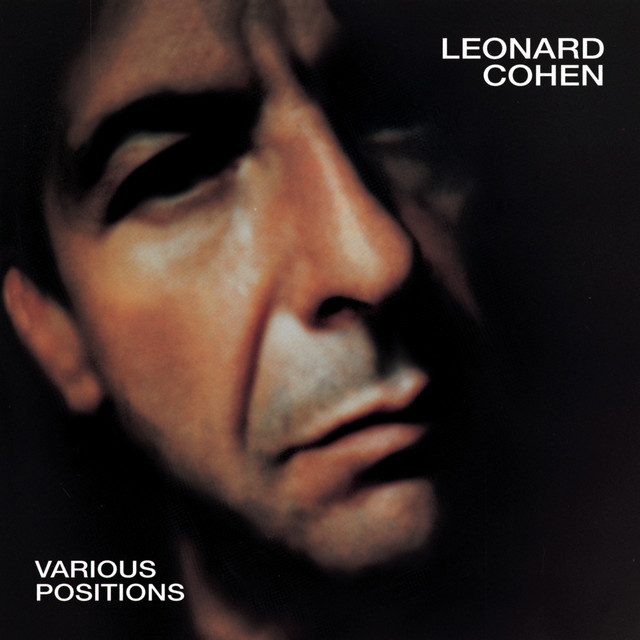
Leonard Cohen's "Hallelujah" is a song that, despite its initial lukewarm reception, has taken on monumental significance since its release in 1984 on the album Various Positions. Cohen's unique blend of spirituality and secular longing was not fully appreciated at the time, as the album was largely overlooked. Yet, the song's complex emotional layers offered a fertile ground for reinterpretation, leading to its eventual rise as a cultural touchstone.
The Early Years: A Quiet Anthem
Cohen's original version is hauntingly beautiful, filled with religious imagery and existential reflection. Lyrics like
reveal a deep struggle with faith that resonates with listeners on many levels. Its subdued delivery, characteristic of Cohen's style, initially made it a less commercial choice."And it's not a cry that you hear at night, it's not someone who's seen the light"
Jeff Buckley's Transformative Cover
The real turning point for "Hallelujah" came with Jeff Buckley's cover on his 1994 album Grace. Buckley's rendition stripped the song down to its emotional core, showcasing his ethereal voice and nuanced guitar work. He transformed the lyrics into a raw expression of longing and heartbreak, with lines like
capturing the fragility of love and faith. This version became a defining moment in Buckley's career, and its haunting quality introduced the song to a new generation."It's a cold and it's a broken Hallelujah"
The Rise in Popularity
Following Buckley, numerous artists began to cover "Hallelujah", each bringing their own interpretation to the table. From Rufus Wainwright's soulful take featured in the film Shrek to k.d. lang's powerful performance at the Vancouver 2010 Olympics, the song evolved. Each rendition has layers that reflect the artist's emotional state and context, broadening the song's appeal.
A Universal Anthem
The versatility of "Hallelujah" lies in its ability to adapt to various contexts. It has been used in countless films, television shows, and even memorials. This widespread usage speaks to its universal themes of love, loss, and redemption. Artists like John Cale and Imogen Heap have also infused their versions with personal touches, ensuring that the song feels both timeless and immediately relevant.
Documenting the Impact
The 2022 documentary Hallelujah: Leonard Cohen, A Journey, A Song explores the song's incredible journey from obscurity to ubiquity. It highlights how Cohen's original work has influenced countless musicians and how it continues to inspire new interpretations. The documentary serves as a reminder of the song's profound impact not just on music but on cultural discourse surrounding faith and artistry.
The Ongoing Legacy
As new artists continue to reinterpret "Hallelujah," its essence remains intact while evolving with each generation. Artists like Pentatonix and Tori Kelly have recently put their spin on the track, demonstrating its continued relevance. The song has transcended its origins, becoming a canvas for personal expression and collective experience.
Interesting fact: Leonard Cohen originally wrote over 80 verses for "Hallelujah," many of which were never recorded.
A Song for All Seasons
Ultimately, the transformation of "Hallelujah" through its various covers highlights the song's remarkable resilience and adaptability. What began as a subdued reflection on faith has turned into a powerful anthem embraced by diverse audiences. Each artist adds their own brush stroke to Cohen's masterpiece, ensuring that its legacy will continue to evolve for years to come.