The Genesis of a Modern Hymn
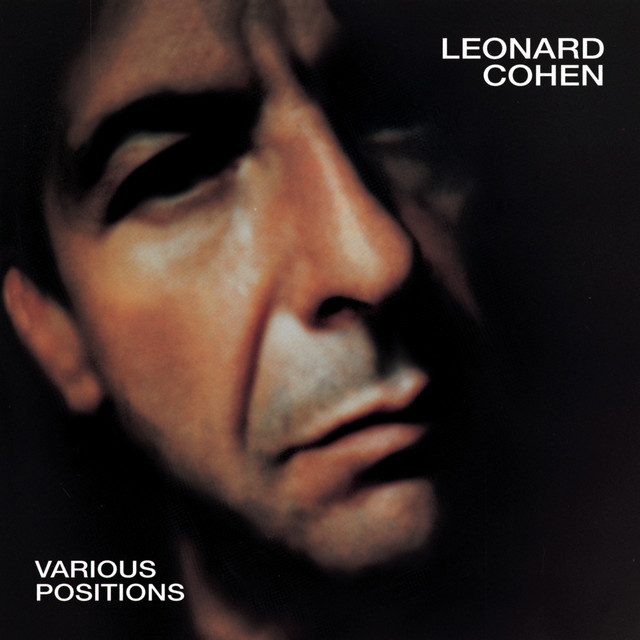
When Leonard Cohen unleashed "Hallelujah" on his 1984 album Various Positions, few could predict its seismic impact on music and culture. Initially, the track was met with indifference, but over the years, it transformed into a cultural touchstone, covered by countless artists and becoming synonymous with both joy and heartbreak.
Jewish Roots and Spirituality
Cohen's Jewish upbringing was integral to his artistic vision. Raised in a Montreal Orthodox Jewish household, his relationship with faith was complex and multifaceted. In "Hallelujah," he merges personal and biblical narratives, reflecting his deep-seated beliefs while grappling with life’s struggles.
The song's opening lines evoke King David, a figure who embodies both triumph and moral ambiguity. Cohen juxtaposes divine worship with human frailty. The line,
suggests a nuanced take on faith — one that acknowledges doubt and despair alongside praise."And it's not a cry that you hear at night / It's not someone who's seen the light,"
The Duality of Faith
In many ways, Cohen's exploration of faith mirrors the duality found in Jewish teachings. The concept of tikkun olam, or repairing the world, resonates throughout Cohen's work. His portrayal of love and loss in "Hallelujah" serves as a reminder that faith is not singularly about joy but also about navigating sorrow.
His choice to use “Hallelujah” — the Hebrew word for praise — is significant. It serves as a bridge between sacred and secular themes, embodying the idea that spiritual expression can arise from the depths of human experience.
A Song for All Seasons
As "Hallelujah" gained traction through covers by artists like Jeff Buckley and Rufus Wainwright, its versatility became evident. Each rendition brought a new layer of interpretation, yet Cohen’s original remains anchored in his Jewish identity. The way he melds the sacred with the profane shows that spirituality isn’t always clean-cut; it’s messy, often chaotic.
Cohen's line
captures this sentiment perfectly. It’s a recognition that faith can coexist with pain, a theme that resonates deeply with listeners from all walks of life."It's a cold and it's a broken Hallelujah,"
Documenting a Legacy
The recent documentary Hallelujah: Leonard Cohen, A Journey, A Song sheds light on this multifaceted artist, highlighting how his Jewish background informed his music. It illustrates how Cohen was not just a singer-songwriter, but a poet grappling with existential questions that many face.
Cohen once said, "There is a crack in everything, that's how the light gets in." This quote perfectly encapsulates his belief in the beauty of imperfection.
Conclusion: A Lasting Impact
In a world often divided, Cohen's "Hallelujah" serves as a reminder of our shared human experience. It transcends religious boundaries, inviting listeners to explore their own relationships with faith, love, and loss. Cohen's Jewish faith imbues the song with a richness that invites ongoing exploration, making it as relevant today as it was nearly four decades ago.