Roots in Blues
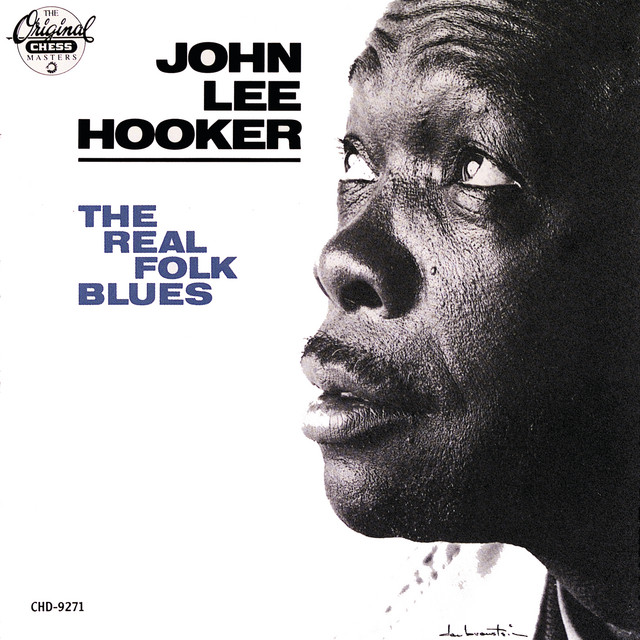
John Lee Hooker's "One Bourbon, One Scotch, One Beer" emerged in 1966, capturing the raw essence of the blues genre. This track, featured on the album Live at Cafe Au Go Go, showcases Hooker's signature storytelling style, where he narrates a tale of heartbreak and indulgence over a simple, repetitive structure that echoes the barroom blues vibe.
The song encapsulates the struggles of a man seeking solace in alcohol, a theme that resonates through the ages. Hooker’s delivery is reminiscent of his earlier works, such as "Boogie Chillen'" and "Crawling King Snake," where the rhythm and the narrative intertwine seamlessly.
"One bourbon, one scotch, one beer"
With this line, Hooker creates a mantra for the downtrodden, a ritualistic call that has echoed through the years. The repetitive structure of the song allows listeners to immerse themselves in the experience, making it not just a song, but a communal chant for those seeking escape.
Amos Milburn's Influence
Notably, the roots of this song can be traced back to Amos Milburn, whose rendition of "One Scotch, One Bourbon, One Beer" in 1953 laid the groundwork for Hooker's version. Milburn's style infused a lively, upbeat tempo into the narrative, contrasting with the somber tone of Hooker's approach. This duality in interpretation underscores the song's flexibility — a canvas for different emotional expressions.
Amos Milburn was a pivotal figure in the development of rhythm and blues, with hits like "Chicken Shack Boogie" and "Bad, Bad Whiskey."
George Thorogood's Rock Revival
Fast-forward to 1977, and George Thorogood took Hooker's version into the rockabilly realm with his cover on the album George Thorogood and the Destroyers. Thorogood's rendition is characterized by a hard-hitting guitar riff and a boisterous energy that transforms the track into an anthem for party-goers.
"I went down to the barroom, I ordered me a drink"
Thorogood's energetic delivery and rock instrumentation breathe new life into the song, making it accessible to a wider audience beyond the blues purists. His version became a staple in bars and sports arenas alike, symbolizing a carefree spirit that aligns perfectly with the rock ethos.
Impact Across Genres
The evolution of "One Bourbon, One Scotch, One Beer" reflects the versatility of its core narrative. From Hooker’s poignant blues to Thorogood’s raucous rock, the song has been a vessel for various artists to channel their own experiences with love, loss, and the bottle. Each interpretation highlights the universal theme of seeking comfort in drink, resonating with listeners from different walks of life.
In a way, all versions share a common thread: a longing for release. Whether it’s Hooker’s somber delivery or Thorogood’s celebratory vibe, the song remains a timeless anthem for anyone who has ever faced life's challenges head-on.
Legacy and Modern Interpretations
Today, "One Bourbon, One Scotch, One Beer" continues to inspire modern artists, bridging genres and generations. The song's adaptability speaks volumes about its enduring relevance. Artists from various backgrounds have taken the song and made it their own, proving that its core message still resonates in contemporary music.
In 2021, blues-rock band The Black Keys performed a live version, showcasing the song's continued evolution and appeal.
Conclusion
The journey of "One Bourbon, One Scotch, One Beer" is more than just a musical evolution; it’s a reflection of the changing landscapes of American music. From the gritty blues bars of the 60s to the electrified rock stages of the 70s, and beyond, this simple yet profound song transcends its origins, inviting all who hear it to join in the chorus of life’s trials and tribulations.