A Place of Solace
In John Lee Hooker's 1966 classic "One Bourbon, One Scotch, One Beer," the bar isn't merely a backdrop; it becomes a character in its own right, embodying both refuge and despair. The song captures the essence of a blues narrative, where the protagonist finds himself in a familiar setting, seeking solace in alcohol after life's disappointments.
Setting the Scene
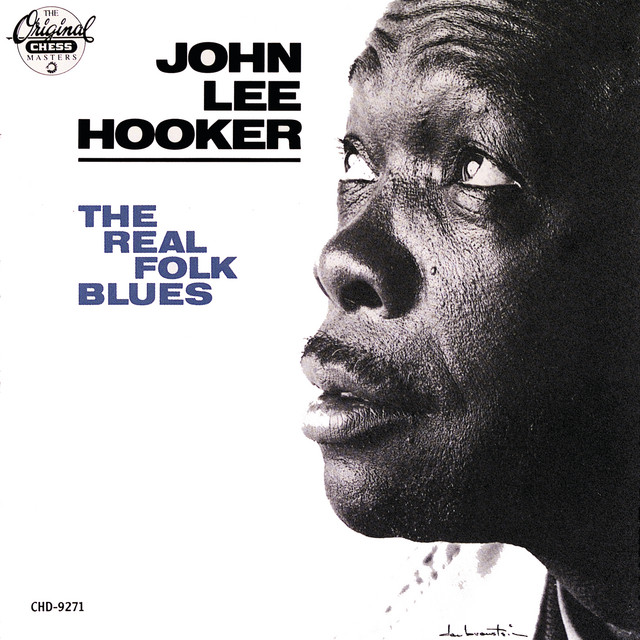
Hooker's rendition, featured on the album "The Real Folk Blues," evokes a gritty, urban atmosphere. The bar serves as a sanctuary for the weary, a place where troubles can be drowned in drink. Hooker's gravelly voice delivers the line,
This mantra-like repetition underscores the ritualistic nature of his bar experience, turning the order into a lifeline."I want one bourbon, one scotch, and one beer."
The Weight of Tradition
When George Thorogood covered the song in 1977, he brought a rock edge to Hooker's original, cementing the bar's role in popular culture. Thorogood's version, part of his debut album "George Thorogood and the Destroyers," transformed the song into an anthem for those who seek an escape in nightlife. The bar morphs from a blues refuge into a rock 'n' roll haven, showcasing its adaptability across genres.
A Historical Lens
The song's roots can be traced back to Amos Milburn, whose 1953 track "One Scotch, One Bourbon, One Beer" laid the groundwork for what would become a blues standard. Milburn's playful take on drinking culture resonates through Hooker's somber reflection. Both artists encapsulate a universal experience: the bar as a space for camaraderie and solitude.
Interestingly, Hooker's "One Bourbon, One Scotch, One Beer" has been covered by various artists, including Eric Burdon and the Animals, showcasing its lasting influence.
The Bar's Emotional Terrain
Within the walls of the bar, the protagonist confronts his demons. The lyrics paint a vivid picture of a man grappling with loss and disappointment, searching for a way to cope. Every drink ordered is a step deeper into his struggles, revealing a narrative that is both personal and universal.
A Reflection of Society
The bar is more than just a setting; it mirrors societal issues such as addiction and escapism. Hooker’s delivery makes this palpable, as he recounts the futility of his search for solace. The line,
lays bare a reality faced by many, transforming the bar into a stage for raw human emotion."I ain't got no money, I ain't got no job,"
Legacy and Relevance
Decades after its release, the song continues to resonate. Its themes of hardship and resilience remain relevant, particularly in today's world where many seek refuge in bars to escape the pressures of life. The character of the bar evolves, but its role as a space for reflection endures.
Conclusion
In "One Bourbon, One Scotch, One Beer," the bar transcends its physical space to become a vital character. It serves as a mirror reflecting the inner turmoil of the protagonist while also representing a shared cultural experience. As both John Lee Hooker and George Thorogood have demonstrated, the bar is a timeless symbol of human struggle and connection.