Defying Expectations in the 80s Rock Scene
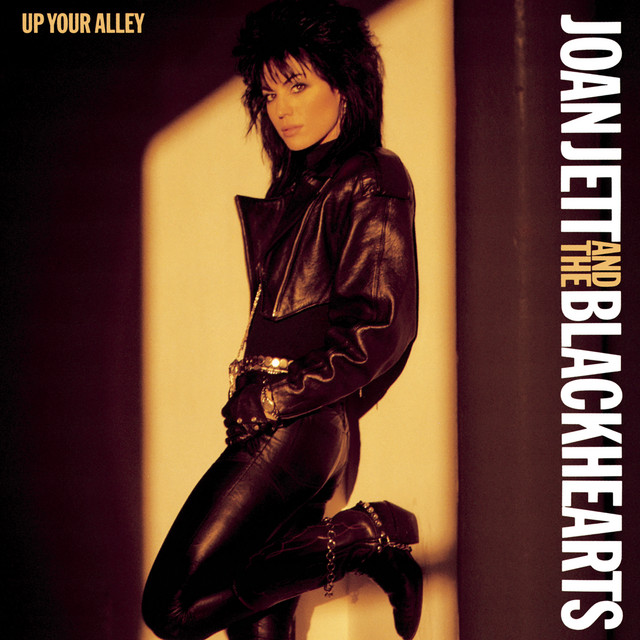
When Joan Jett and the Blackhearts released "I Hate Myself for Loving You" in 1988, it wasn’t just an anthem; it was a declaration. The song, the lead single from their sixth studio album of the same name, became a pivotal moment in 80s rock culture, challenging the male-dominated landscape of the genre.
Produced by Jett and Kenny Laguna, the track combines a catchy melody with gritty guitar riffs, perfectly encapsulating the spirit of rock 'n' roll. Jett's raw vocals cut through the bravado typically associated with male rock stars, presenting a complex emotional landscape that many women could relate to.
Emotional Complexity and Female Empowerment
The crux of "I Hate Myself for Loving You" lies in its exploration of love and self-loathing. Jett doesn’t shy away from expressing vulnerability, a rarity in rock music at the time. Lines like
reveal an inner turmoil that resonates with anyone who has grappled with a tumultuous relationship."I hate myself for loving you, can’t break free from the things that you do"
This emotional honesty was groundbreaking for a female artist. Rather than portraying women as mere muses or objects of desire, Jett placed herself at the center of her narrative, showcasing the struggles and contradictions inherent in love. In doing so, she empowered countless women to embrace their feelings without shame.
Joan Jett was inducted into the Rock and Roll Hall of Fame in 2015, highlighting her lasting impact on music and culture.
Rocking the Feminist Narrative
In the late 80s, rock music was rife with hyper-masculinity. Yet, Jett's unapologetic presence not only carved a space for women in rock but also redefined what it meant to be a female artist. Songs like "I Hate Myself for Loving You" became anthems for those who felt marginalized by traditional gender roles.
Jett’s fierce persona and lyrics encouraged women to embrace their power while acknowledging their vulnerabilities. The song’s duality speaks volumes: it’s both a confession and a battle cry. As Jett sings,
—it’s a clear statement of independence and strength."You’re a heartbreaker, dream maker, love taker, don’t you mess around with me"
The Legacy of 'I Hate Myself for Loving You'
The song's impact extends beyond its catchy hooks. It became a staple of 80s rock and influenced countless artists, both male and female. Jett’s willingness to express complex emotions paved the way for future generations of musicians, demonstrating that vulnerability can coexist with strength.
Moreover, the song found renewed relevance in the 90s and beyond, as it was embraced by waves of feminist movements that echoed Jett’s themes of personal struggle and empowerment. Artists like Alanis Morissette and Courtney Love drew inspiration from her fearless approach to songwriting.
The song reached #8 on the Billboard Hot 100, solidifying Jett's status as a rock icon.
Conclusion: A Timeless Anthem
Decades later, "I Hate Myself for Loving You" remains a timeless anthem for those navigating the complexities of love and self-identity. Joan Jett's legacy lies not just in her music but in her unwavering stance as a pioneer for women in rock. The song continues to inspire new generations, proving that the struggle for self-acceptance and empowerment is a universal theme that transcends time and genre.