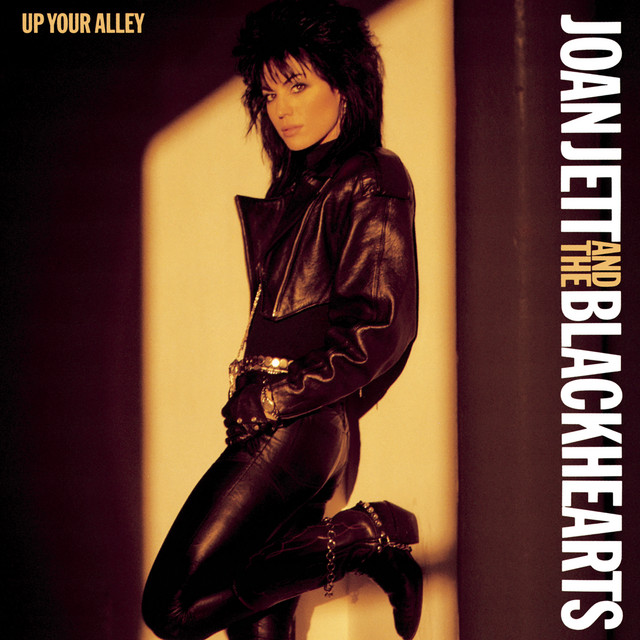
The Complicated Love Affair
Released in 1988 as the lead single from her sixth studio album, "I Hate Myself for Loving You" stands as one of Joan Jett's most iconic tracks. Co-written with Alan Merrill of The Foundations, the song captures the tumultuous feelings that accompany love and self-loathing. It's a juxtaposition many can relate to, and Jett's rock-infused sound amplifies the emotional weight.
A Personal Lens
Jett's life experiences have always informed her music, and this track is no exception. Growing up in a male-dominated music industry, she faced challenges that shaped her perspective on relationships and self-worth. The raw honesty in the lyrics reflects a battle that many women, and indeed many people, face when love turns toxic.
"I hate myself for loving you / Can't break free from the things that you do"
These lines encapsulate a complex relationship dynamic, revealing the struggle between desire and self-preservation. Jett's delivery is fierce, yet tinged with vulnerability, reflecting a personal battle that many have faced at some point in their lives.
Context of the Era
The late '80s were a turning point for rock music, with female artists beginning to carve out their own spaces in a genre historically dominated by men. Jett’s unapologetic attitude and refusal to conform made her a trailblazer. This track, like much of her work, served as a rallying cry for women who felt marginalized in both love and music.
Despite the song's commercial success, peaking at No. 8 on the Billboard Hot 100, Jett's music often pushed boundaries and challenged societal norms.
Emotional Rawness
The emotional rawness of "I Hate Myself for Loving You" is palpable. Jett doesn't shy away from portraying the duality of love; it can uplift and destroy simultaneously. The way she captures that sentiment speaks to her own experiences—whether it was her tumultuous relationships or her fight for recognition in a challenging industry.
"You’re a hard one to love / And I’m a fool for you"
This admission is a powerful reflection of vulnerability. Jett's ability to convey the internal conflict of loving someone who brings chaos into your life is what makes the song timeless. It’s a reminder that love isn't always about flowers and sweet nothings; it can involve pain and confusion, too.
Legacy of the Song
Decades later, "I Hate Myself for Loving You" remains a staple in Jett's discography and a defining anthem for those grappling with the complexities of love. Its mix of catchy hooks and raw emotion showcases Jett’s unique ability to blend rock with relatable lyrical content.
As we continue to dissect the cultural impact of Joan Jett, it's clear that her experiences have helped shape not just her music but also the landscape of rock itself. The fierce honesty in tracks like this has paved the way for future generations of artists, especially women, to express their truths unapologetically.