The Roots of 'Voodoo Chile'
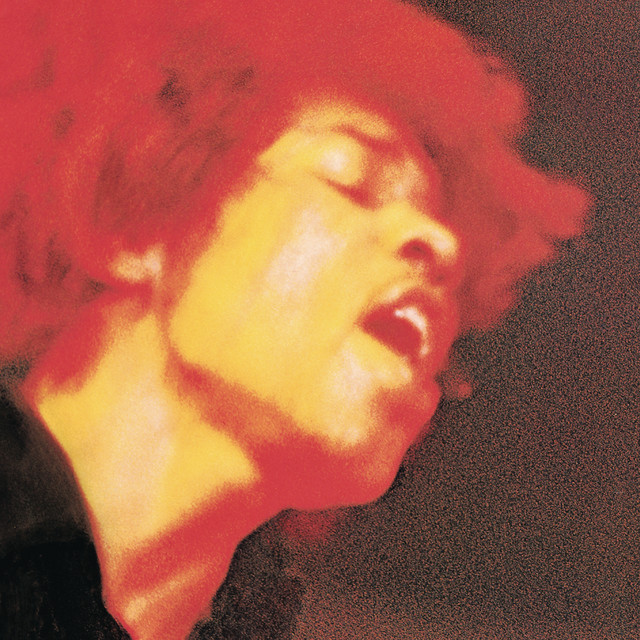
When Jimi Hendrix recorded "Voodoo Chile" in 1968 for his groundbreaking album Electric Ladyland, he wasn't merely crafting a bluesy rock anthem. Instead, he was channeling a rich tapestry of African spiritual traditions and voodoo practices that have shaped the musical landscape of the Americas. The song acts as a conduit through which Hendrix expresses a deeper understanding of power, spirituality, and cultural heritage.
A Spiritual Invocation
From its very first notes, "Voodoo Chile" sets an otherworldly tone. Hendrix's guitar weaves in and out like a shamanic invocation, drawing on the traditions of African music that emphasize rhythm and call-and-response patterns. The lyrics echo this spiritual quest, reflecting themes of transformation and transcendence.
"I’m a voodoo chile, born on the bayou"
This line not only establishes a connection to the bayou—a place steeped in African American folklore—but also positions Hendrix as a figure of mystical power. The bayou itself is a symbol of both natural beauty and the supernatural, embodying the duality that is often present in African spiritual practices.
Influences of African Spiritual Traditions
At its core, "Voodoo Chile" draws from the rich heritage of voodoo, a syncretic religion that blends African spiritual beliefs with elements of Christianity. Voodoo, often misrepresented in popular culture, is deeply rooted in community, healing, and connection to ancestors. Hendrix's invocation of voodoo is not just a gimmick; it reflects a genuine respect for these traditions. The song's extended improvisation can be seen as a ritualistic journey, a sonic exploration of the spiritual realm.
Blues as a Spiritual Expression
The blues itself is a genre steeped in African American history, one that carries the weight of suffering and resilience. Hendrix’s guitar solos in "Voodoo Chile" are not just technical showcases; they are emotional expressions of struggle and liberation. The raw energy of his playing captures the essence of what it means to be both a musician and a spiritual seeker.
"I can see you in the dark, but I can't see you in the light"
These lyrics evoke the struggle between ignorance and enlightenment, a common theme in many spiritual traditions. In this way, Hendrix invites listeners to confront their own shadows, drawing them into a shared experience of catharsis and revelation.
A Cultural Dialogue
Hendrix’s use of the term “voodoo” also sparks a dialogue about cultural appropriation versus appreciation. While some might argue that his portrayal of voodoo lacks authenticity, it’s essential to recognize that Hendrix was part of a broader cultural movement. The late 1960s were marked by a quest for identity and understanding among African Americans, with artists seeking to reclaim their history and express their cultural pride.
Modern Resonance
Today, "Voodoo Chile" remains a powerful anthem that speaks to the ongoing exploration of identity within the African diaspora. The song’s melding of rock, blues, and African spiritual elements continues to influence contemporary musicians. Artists like Erykah Badu and Questlove have cited Hendrix as a major influence, echoing the themes of spiritual exploration and cultural reclamation in their own work.
Did you know? "Voodoo Chile" is often considered a precursor to the modern jam band movement, blending improvisation with structured songwriting.
Conclusion: A Lasting Legacy
In "Voodoo Chile," Jimi Hendrix not only solidified his place as a guitar legend but also carved out a unique space for African spiritual traditions within rock music. The song serves as a reminder of the power of music to transcend boundaries, connecting listeners to deeper truths. Hendrix’s legacy is not just about his technical prowess; it’s about his ability to channel the voices of those who came before him, making the spiritual accessible through the electrifying language of rock and blues.