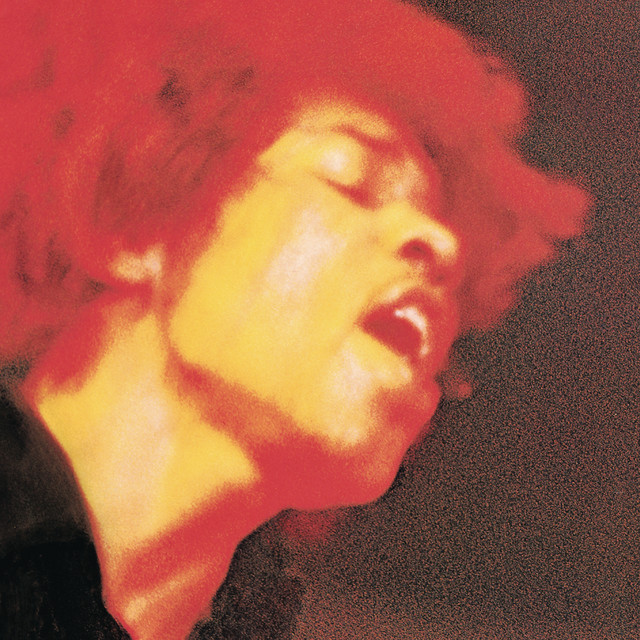
The Shift in Sound
Recorded in 1968 for the landmark album Electric Ladyland, "Voodoo Chile" marks a significant shift in Jimi Hendrix's sound and approach. This nearly 15-minute epic is a testament to Hendrix's evolution from the explosive rock of his earlier work to a more expansive, experimental form. The fusion of blues, rock, and psychedelia reflects the era's cultural upheaval and Hendrix's personal growth as an artist.
Structural Complexity
Unlike the straightforward rock anthems that defined his earlier albums, "Voodoo Chile" is a sprawling jam that unfolds with a fluidity that invites listeners into a deep, immersive experience. The track’s structure is an open canvas, allowing Hendrix and his band to explore musical ideas without the constraints of traditional song formats. This freedom showcases Hendrix's burgeoning confidence as a musician willing to stretch boundaries.
Lyricism and Themes
The lyrics of "Voodoo Chile" are steeped in mysticism and imagery, reflecting Hendrix's fascination with the esoteric. Lines like
demonstrate not only bravado but also a spiritual connection to nature and power. This lyric encapsulates the strength and surrealism that permeates the song, bridging the fantastical with the personal."Well, I stand up next to a mountain, and I chop it down with the edge of my hand"
Musical Innovation
Produced by Hendrix himself alongside Eddie Kramer, the song exemplifies the innovative recording techniques that would come to define Electric Ladyland. The use of distortion, feedback, and layered guitar tracks creates a rich sonic palette that was groundbreaking for the time. Hendrix's guitar work here is a masterclass in technique, merging blues licks with avant-garde experimentation, foreshadowing the influence he would have on generations of musicians.
Legacy and Impact
"Voodoo Chile" is not just a song; it is a cultural artifact that captures a pivotal moment in music history. It showcases Hendrix's ability to evolve and adapt while remaining true to his roots. The legacy of this track can be felt in the works of countless artists who have sought to replicate its spirit of exploration. Hendrix's willingness to reinvent himself and his music during this period paved the way for the genre-blurring tendencies of future rock musicians.
Fun Fact: The track features a unique 12-string guitar intro, which adds to the song's ethereal quality and sets the stage for Hendrix's iconic solos.
A New Direction
As the 1960s came to a close, Hendrix's musical evolution was not just about sound; it was also about a deeper exploration of identity and purpose. The themes of power, mysticism, and self-assertion in "Voodoo Chile" mirror the tumultuous social landscape of the time. Hendrix's artistry transcended mere entertainment; it became a form of personal and cultural expression, solidifying his status as a revolutionary figure in music.