The Sonic Revolution of Voodoo Child
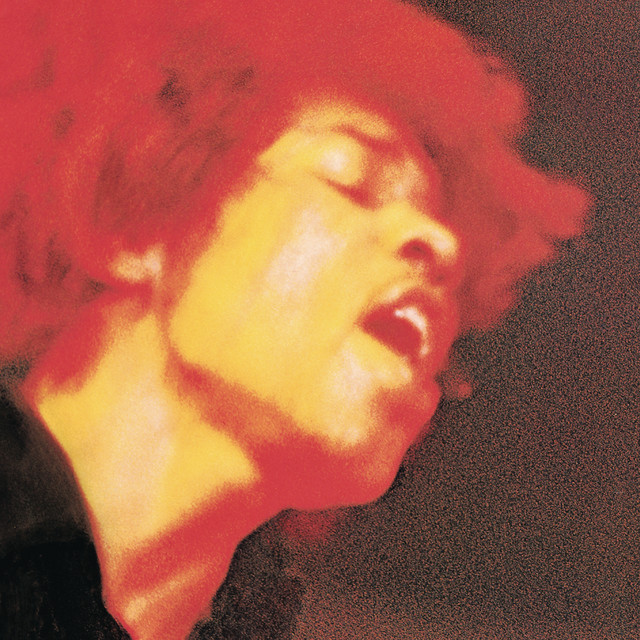
Released in 1968 as the closing track of the album Electric Ladyland, Jimi Hendrix’s "Voodoo Child (Slight Return)" marks a pivotal moment in rock history. The song stands out not only for its lyrical content but for the innovative guitar techniques that transformed it into an anthem. With a blend of blues, rock, and psychedelia, Hendrix redefined what was possible on the electric guitar, setting a precedent that would influence generations of musicians.
Feedback and Distortion: The Hallmarks of Hendrix's Style
One of the most striking features of "Voodoo Child" is its use of feedback and distortion. Opening with a powerful, wailing feedback that seamlessly transitions into a thunderous riff, Hendrix sets the stage for a raw and electrifying experience. This was no mere accident; Hendrix was a master of manipulating sound. The way he harnessed feedback was revolutionary, making the guitar not just an instrument but a voice filled with emotion.
The Use of the Wah-Wah Pedal
Hendrix’s use of the wah-wah pedal in "Voodoo Child" is another defining characteristic. The pedal, which allows for a sweeping modulation of frequencies, creates a vocal-like quality in his solos. The iconic solo, filled with bends and slides, showcases this technique perfectly. It’s a sonic embodiment of the lyrics, where he proclaims he’s a “voodoo child,” giving life to that persona through sound.
Thumb and Finger Technique: A Unique Approach
Unlike many guitarists of his time, Hendrix often played with his thumb over the neck, allowing for complex chord voicings and a unique style of fingerpicking. This technique is evident in the intro and throughout the verses. It not only adds to the fluidity of his playing but also allows him to produce a broader range of sounds. This distinct approach to guitar playing contributed to his signature sound, making it instantly recognizable.
The Importance of Rhythm and Groove
Hendrix was not just a soloist; he was a master of rhythm. The interplay between his guitar work and Mitch Mitchell’s drumming creates a groove that is both hypnotic and powerful. The call-and-response dynamic between the guitar and drums throughout the track showcases Hendrix's understanding of musical conversation, where each riff and beat complements the other, driving the song forward with intensity.
Lyrics That Amplify the Music
The lyrics of "Voodoo Child" also play a crucial role in its impact. Lines like
resonate with a sense of power and mystique, perfectly aligning with the song's aggressive guitar work. Hendrix's ability to fuse lyrical content with musical expression creates an anthem that feels both personal and universal."I’m a voodoo child, I’m a voodoo child"
The Legacy of Voodoo Child
Today, "Voodoo Child (Slight Return)" is more than just a song; it’s an essential piece of rock history. Its groundbreaking techniques have influenced countless artists across genres. From the grunge movement of the '90s to contemporary rock, Hendrix’s innovations remain a vital part of the musical vocabulary.
Did you know? The song was recorded during the sessions for Electric Ladyland, where Hendrix experimented with studio techniques that were unheard of at the time.
As we listen to "Voodoo Child (Slight Return)" today, it’s clear that Jimi Hendrix didn’t just play the guitar; he redefined it. His innovative techniques and visionary approach created a sound that continues to inspire and challenge musicians worldwide.