Spirituality Meets Psychedelia
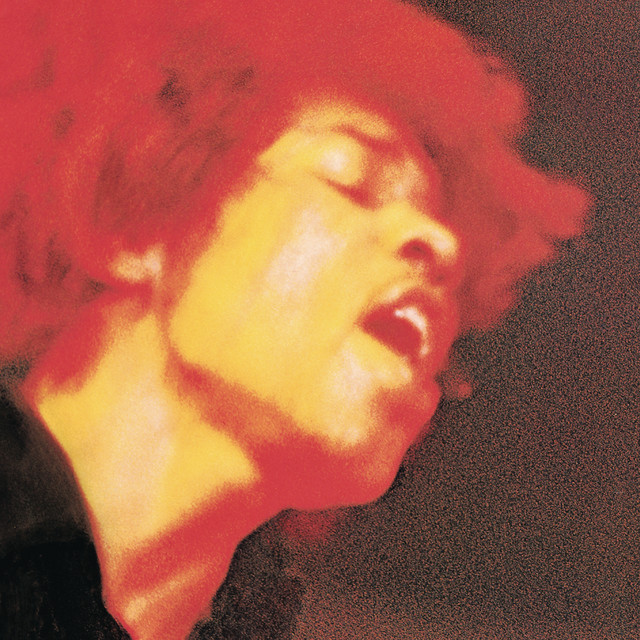
When Jimi Hendrix unleashed "Voodoo Child (Slight Return)" in 1968, he didn't just craft a rock anthem; he wove a sonic narrative rich with African spiritual influences. This track, the closing gem of the album "Electric Ladyland," is drenched in a mystical aura that pulls from various cultural roots, particularly those of the African diaspora.
The song's opening riff, a menacing growl of distorted guitar, sets a scene that feels both primal and ethereal. As Hendrix himself claimed, it was meant to convey a sense of power and an otherworldly connection. The lyric "I’m a voodoo child, I’m a voodoo child" suggests a reclamation of identity, drawing on the voodoo tradition that intersects with African spiritual practices. This is a direct nod to the belief systems where the spirit world is intimately connected to everyday life.
The Voodoo Tradition
Voodoo, as a religious practice, has deep roots in African traditions, particularly those of West Africa. It emphasizes the importance of ancestral spirits and their influence on the living. Hendrix’s invocation of this imagery aligns with the broader themes of empowerment and self-realization that permeate his work.
In "Voodoo Child (Slight Return)," Hendrix's assertion of his voodoo identity can be interpreted as an embrace of his African American heritage. The phrase “I can make you believe” serves not just as a boast but as a reminder of the transformational power of music and spirituality. It’s a call to listeners to tap into deeper consciousness, akin to the rituals found in Voodoo ceremonies.
Did you know? Jimi Hendrix was heavily influenced by the blues, a genre steeped in African American history, which shares connections with African musical traditions.
Musical Elements and Their Origins
Musically, "Voodoo Child" incorporates techniques that echo African rhythms and call-and-response patterns. The fluidity of Hendrix's guitar work showcases a mastery that transcends mere technical skill. The use of feedback and distortion can also be seen as a modern interpretation of traditional African instruments that rely on raw sound and emotional expression.
The song's structure mirrors the cyclic nature of African musical forms, where themes return in variations, creating a hypnotic effect. This aligns with the spiritual rhythms of Voodoo music, which are often repetitive and trance-inducing. In this way, Hendrix’s composition acts as a bridge between the past and present, honoring the traditions while pushing musical boundaries.
A Cultural Reclamation
Hendrix's exploration of African spiritual themes in "Voodoo Child" is a form of cultural reclamation. By channeling these influences, he not only honors his heritage but also challenges the mainstream perceptions of Black identity in the 1960s. The era was marked by a struggle for civil rights, and Hendrix's music became a vehicle for expressing both personal and collective struggles.
The line “I’m gonna be a voodoo child” can be seen as an assertion of agency. It empowers the individual, suggesting that one can shape their destiny in a world that often attempts to define it for them. This message resonates even today, as artists continue to grapple with their identities in a complex cultural landscape.
The Legacy Lives On
In the decades since its release, "Voodoo Child (Slight Return)" has transcended its original context. It remains a powerful anthem that inspires countless musicians and listeners alike. The African spiritual influences embedded within the song serve as a reminder of the rich cultural tapestry that informs much of modern music.
As we listen to Hendrix's iconic track, it’s essential to recognize the depths of its meaning. It's not merely a celebration of rock and roll prowess; it’s a profound exploration of identity, spirituality, and cultural heritage. In a world constantly seeking authenticity, Hendrix's invocation of voodoo is as relevant now as it was over fifty years ago.