Folk Foundations and Rock Royalty
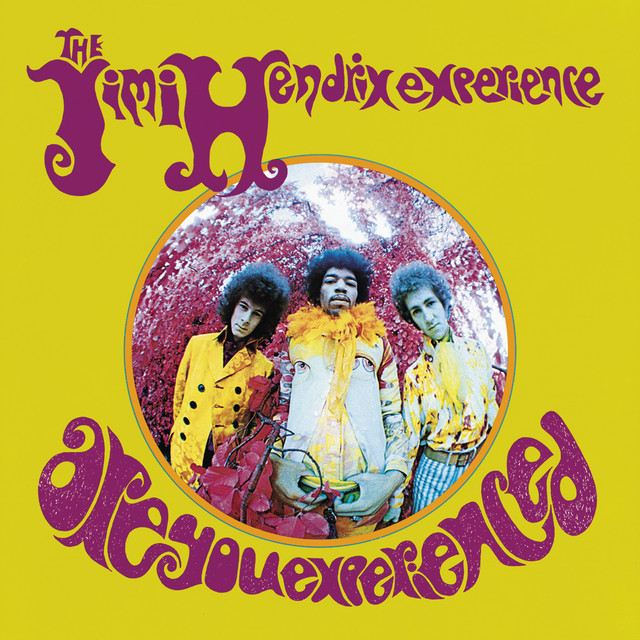
When Jimi Hendrix recorded "Hey Joe" in October 1966, he was stepping into the limelight as a groundbreaking artist with the Jimi Hendrix Experience. The song, which quickly became his first single, is often misclassified as a straightforward rock anthem. However, its roots stretch deep into the traditions of folk music, echoing tales of heartbreak, betrayal, and desperation.
The Contested Origins
It's essential to note that the authorship of "Hey Joe" is shrouded in controversy. Many attribute it to folk singer Billy Roberts, while others argue it was popularized by artists like the Leaves and Love. Regardless of its origins, Hendrix's interpretation brought a new dimension, blending folk storytelling with the electric fervor of rock.
The Storytelling Element
At its core, folk music is about narrative, and "Hey Joe" doesn’t shy away from this tradition. The song tells the story of a man who, upon discovering his lover's infidelity, resolves to take drastic action. The lines,
serve as a haunting opening, immediately drawing listeners into a world of tension and impending violence."Hey Joe, where you goin' with that gun in your hand?"
Musical Structure
The structure of "Hey Joe" also reflects folk influences. The repetitive chord progressions and simple yet evocative lyrics create a sense of familiarity, reminiscent of traditional folk ballads. This simplicity allows Hendrix's guitar work to shine, transforming a narrative song into a psychedelic experience.
Instrumentation and Style
Hendrix's electric guitar takes center stage, but it's the way he melds folk sensibilities with rock instrumentation that stands out. The use of feedback and distortion adds a layer of emotional complexity. The rawness of his voice, combined with the frenetic energy of his guitar, echoes the urgency of the lyrics. This fusion is what makes the track so groundbreaking.
Contextual Impact
When "Hey Joe" was released, the 1960s were a time of social upheaval, and the themes of violence and heartbreak resonated with many. Folk music had always served as a mirror to society, and Hendrix's rendition of this classic holds a mirror to the turbulent emotions of his era. The song became an anthem for those grappling with their own demons, echoing the struggles captured in folk storytelling.
Interesting fact: "Hey Joe" was the Jimi Hendrix Experience's first single, released in the UK, where it reached the top of the charts in 1967.
A Lasting Legacy
The influence of folk music on "Hey Joe" can be seen not just in its lyrical content, but also in its impact on rock music as a whole. Many artists have since drawn on folk traditions to tell their own stories, and Hendrix paved the way with his innovative approach. His ability to infuse a familiar narrative with electrifying creativity changed the landscape of popular music.
Conclusion
In "Hey Joe," Hendrix didn’t just cover a song; he transformed it, making it a pivotal moment in rock history. By channeling the essence of folk storytelling, he created a work that remains relevant, a testament to the power of narrative in music. The haunting tale of love, betrayal, and violence continues to resonate, proving that the roots of folk music can thrive even in the most electrifying contexts.