From Studio to Stage: The Birth of 'Hey Joe'
When Jimi Hendrix recorded "Hey Joe" in October 1966, it marked both a debut and a revolution. Released as his first single with the Jimi Hendrix Experience, the song was originally written by Billy Roberts, yet Hendrix made it his own, infusing it with a raw intensity that would shape his musical identity.
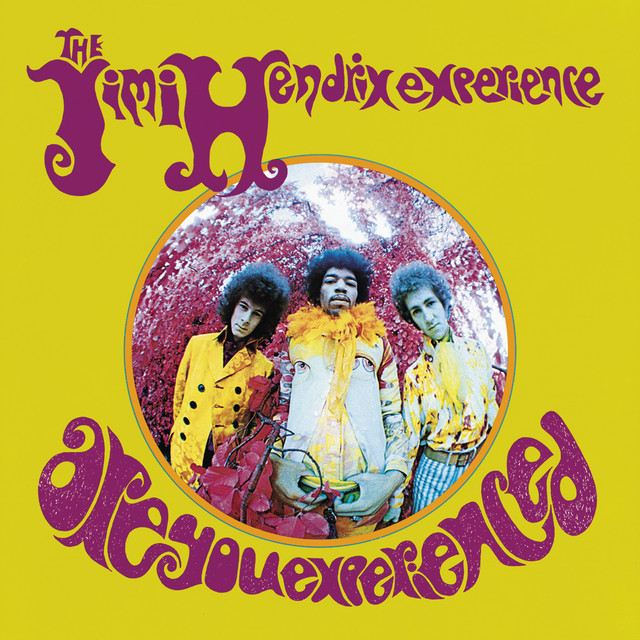
The version on the debut album, Are You Experienced (1967), showcases Hendrix's unique guitar work and vocal delivery, setting a precedent for rock music. Here, he sings,
The line strikes with a sense of urgency, hinting at the underlying themes of violence and desperation."Hey Joe, where you going with that gun in your hand?"
Live Transformations: 1967-1969
As Hendrix took to the stage, the live performances of "Hey Joe" evolved dramatically. Each rendition became a space for improvisation, allowing him to explore the emotional depths of the song. The iconic 1967 Monterey Pop Festival performance is a prime example. Here, he delivered a searing interpretation, extending the song's length and weaving in bursts of feedback that left audiences spellbound.
By 1968, Hendrix's performances had transformed into something almost ritualistic. At the Fillmore East, the song became a platform for showcasing his legendary guitar solos. The extended jams during the live shows often eclipsed the studio version, with Hendrix utilizing wah-wah pedals and fuzz tones to bend the song into new shapes.
Musical Evolution and Emotional Depth
Throughout 1969, Hendrix continued to push boundaries, turning "Hey Joe" into an anthem of defiance and rebellion. His performance at Woodstock that year illustrated this shift. As he played, the song morphed into a commentary on societal violence, the lyrics becoming a haunting echo of the tumultuous times. The line
resonated with a generation grappling with existential dread."You know I ain't gonna live my life no more"
What made these live renditions so powerful was not only Hendrix's virtuosic guitar work but also the emotional weight he placed behind each note. It was as if he was channeling the pain and struggle of the character in the song, making the audience feel every ounce of his anguish.
A Legacy Cemented
Jimi Hendrix's exploration of "Hey Joe" is a testament to his artistic evolution. The song, while simple in its narrative, became a canvas for Hendrix's expansive creativity. His live performances transformed a straightforward narrative into a profound reflection of human experience.
Even after Hendrix's untimely passing in 1970, the legacy of his live renditions of "Hey Joe" has persisted. Artists continue to cover the song, often drawing from the emotional intensity that Hendrix infused into it. His version remains a benchmark, a reminder of how a song can evolve and resonate across generations.
Conclusion: The Enduring Impact
Ultimately, the evolution of "Hey Joe" through Jimi Hendrix's live performances exemplifies the power of reinvention in music. What started as a simple tale of a man on the run transformed into an anthem of protest and emotional expression. Hendrix’s genius lay in his ability to turn each performance into a unique experience, ensuring that "Hey Joe" will forever be a cornerstone of rock history.
Interesting fact: The authorship of "Hey Joe" has been contested, with various artists, including Billy Roberts, claiming to have originated the song.