The Birth of a Classic
Bob Dylan's "All Along the Watchtower," released in 1967 on his album John Wesley Harding, is a song steeped in myth and imagery. With its enigmatic lyrics, Dylan crafted a narrative that felt both timeless and contemporary, echoing themes of confusion and existential dread. The opening lines, "There must be some way out of here," set the tone for a journey that many would interpret through their own lenses.
Dylan's Intention
Dylan's version is sparse, marked by acoustic guitar and harmonica, which gives it a haunting quality. It's a song about escape, featuring a dialogue between a joker and a thief, representing societal disillusionment. Dylan's approach was reflective, almost introspective, and it resonated with the turbulent era of the late '60s.
"There must be some way out of here, said the joker to the thief."
Hendrix's Revolutionary Interpretation
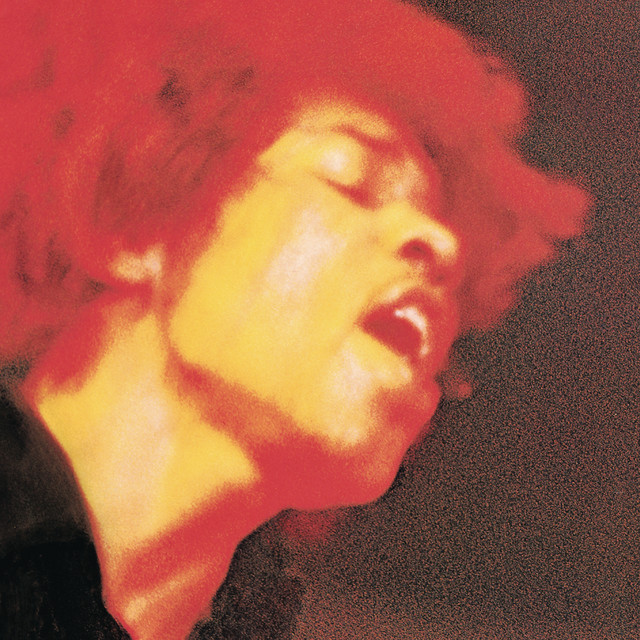
When Jimi Hendrix recorded his rendition in 1968 for the album Electric Ladyland, he took the essence of Dylan's song and electrified it. Hendrix, known for his groundbreaking guitar work, infused the track with a sense of urgency and power that transformed its narrative. He opened with a fierce guitar riff that immediately captured attention, flipping the song's acoustic roots on their head.
The Sonic Shift
Hendrix's interpretation is both a tribute and a radical reimagining. He retained the core lyrics but layered them with distortion, wah-wah effects, and an intensity that Dylan had only hinted at. The line, "Two riders were approaching, the wind began to howl," is delivered with a fierce urgency in Hendrix's version, embodying the tumultuous spirit of the late '60s.
"Two riders were approaching, the wind began to howl."
Cultural Impact
Hendrix's version quickly overshadowed the original, becoming the definitive take for many. His rendition was not just a cover; it was a cultural statement that captured the zeitgeist of a generation. The blend of rock, blues, and psychedelia in his music resonated with the youth, making it an anthem for change.
Interesting fact: Hendrix's cover was released just a few months after Dylan's original, showcasing the rapid evolution of music during that era.
Legacy of the Song
The ongoing relevance of "All Along the Watchtower" is a testament to its versatility. Artists from U2 to Dave Matthews Band have covered it, but none capture the raw energy of Hendrix's interpretation. Each version, however, reminds listeners of the song's powerful narrative and its ability to adapt.
The Convergence of Visions
In examining Dylan's and Hendrix's takes, it's clear that music is a living entity, shaped by the artists who interpret it. Dylan's original vision was one of contemplation, while Hendrix’s was a call to action. They both spoke to the human condition, but in dramatically different tones.
Ultimately, the journey of "All Along the Watchtower" from Dylan to Hendrix is a vivid example of how songs can evolve and take on new meanings. Hendrix didn't just cover a song; he gave it a new heartbeat, one that continues to echo through generations.