The Genesis of a Classic
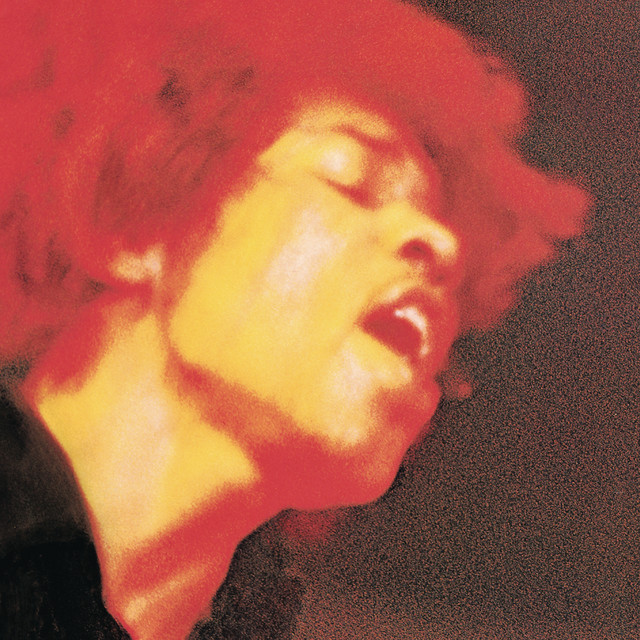
Originally penned by Bob Dylan and released on his 1967 album John Wesley Harding, "All Along the Watchtower" was a haunting reflection of confusion and urgency. However, it was Jimi Hendrix's electrifying interpretation on his 1968 album Electric Ladyland that transformed the song into a cultural touchstone. Hendrix's version, produced by the legendary Eddie Kramer, infused the track with raw energy and a psychedelic edge that resonated with the social upheavals of the late 1960s.
Hendrix's Sonic Revolution
Hendrix's guitar work is the beating heart of his rendition. The iconic opening riff, coupled with his frenetic solos, creates a sense of urgency that captures the listener's attention from the very first note. His interpretation adds layers of meaning to Dylan's already cryptic lyrics, making them feel more immediate and relevant. The famous line about the joker and the thief becomes a metaphor for societal dichotomies, reflecting the tensions of a nation on the brink of change.
"There must be some way out of here, said the joker to the thief"
A Soundtrack for Social Movements
Hendrix’s “All Along the Watchtower” quickly gained traction as an anthem for various social movements. During the Vietnam War, its themes of confusion and the search for escape resonated with young people protesting against the draft. The line, "Businessmen, they drink my wine," speaks to the disillusionment felt by many who viewed their leaders as disconnected from the struggles of the common man.
From the 60s to Today
The song's legacy has only grown over time. During the civil rights movement and later protests, Hendrix’s version served as a rallying cry for those seeking change. Artists across genres, from U2 to Pearl Jam, have covered it, each reinterpretation breathing new life into its message. The adaptability of the song is a testament to its profound impact; it continually finds relevance in the face of ongoing social issues.
In 1970, just months after Hendrix's death, his version of the song was included in the film Easy Rider, further cementing its place in the counterculture canon.
The Power of Interpretation
Hendrix's approach to the song was not just about playing it louder; it was about reimagining it. He took Dylan's lyrical ambiguity and layered it with a musical complexity that spoke to a generation yearning for change. The psychedelic rock soundscape he created allows listeners to both feel and think, making it an apt backdrop for moments of political activism.
Legacy and Influence
Even decades later, “All Along the Watchtower” remains a vital piece of cultural commentary. Its ability to morph and adapt has kept it alive in the hearts of activists worldwide. Whether played at protests or in intimate gatherings, Hendrix's version continues to inspire those who dare to challenge the status quo. The song stands as a reminder of the power of music to evoke change.
"But you and I, we've been through that, and this is not our fate"
The Enduring Resonance
Hendrix’s interpretation of “All Along the Watchtower” is more than just an electrifying performance; it’s a cultural phenomenon that reflects the struggles and aspirations of the human spirit. The song's themes of confusion, escape, and resistance have cemented its place as an anthem for social movements, making it a timeless piece in the fight for justice and equality.