The Man Behind the Legend
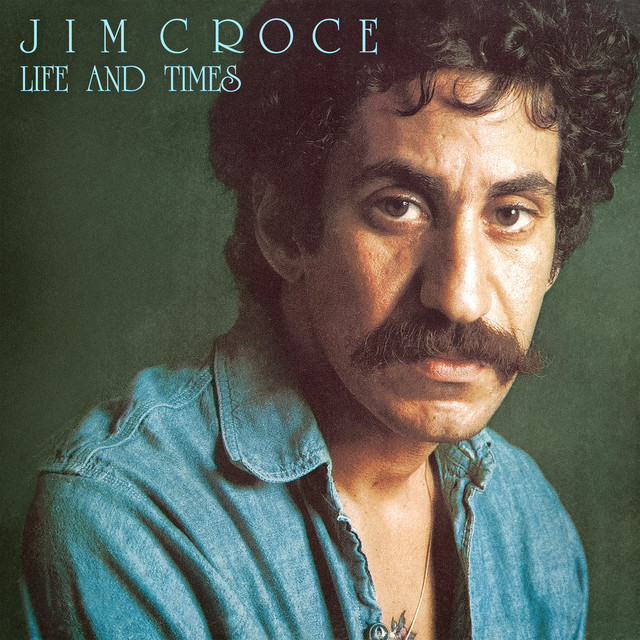
Jim Croce's 'Bad, Bad Leroy Brown' is more than just a catchy tune; it's a vivid narrative that paints a picture of a tough guy with a heart of stone. Released in 1973 as part of the album 'Life and Times', the song became Croce's only number-one hit during his lifetime, proving that storytelling in music can resonate just as powerfully as any ballad.
But what many might not know is the inspiration behind this iconic character. Croce drew from real-life experiences and figures around him, crafting a story that feels both specific and universal. Leroy Brown was a composite of people Croce encountered, a reflection of the gritty urban landscape of the time, where tough guys often ruled the streets.
The Urban Legend
Croce was known for his observational songwriting, and 'Leroy Brown' is no exception. He once mentioned in interviews that the character was inspired by a combination of people he knew and stories he heard. This blending of reality and fiction creates a narrative that feels so tangible that listeners can't help but envision the swaggering figure described in the lyrics.
"And he's bad, bad Leroy Brown / Baddest man in the whole damn town"
These lines serve as a powerful introduction to Leroy, establishing him as a figure of authority and menace. Croce’s creative process was deeply rooted in the personalities that populated his life, making it easy to see how someone like Leroy could spring from the shadows of Croce's world.
More Than Just a Tough Guy
What elevates 'Bad, Bad Leroy Brown' beyond a simple cautionary tale is the depth Croce imbues in Leroy's character. The song details not just Leroy's tough exterior but also hints at the vulnerability that lies beneath. Croce once said that he aimed to create characters that felt real, and Leroy is no different. He’s not just a villain; he’s a product of his environment.
Lines referencing Leroy’s flashy style and his penchant for trouble portray him as a larger-than-life character, yet one that could easily exist in any city. Croce's ability to weave these traits into a narrative makes the song memorable. Leroy’s ultimate fate, a confrontation with another tough guy, serves as a sharp reminder of the consequences of living on the edge.
The Backstory of the Sound
Musically, 'Bad, Bad Leroy Brown' is an upbeat, strophic story song that showcases Croce's folk-rock roots. Produced by Terry Cashman and Tommy West, the song's arrangement features a lively piano and rhythmic guitar that perfectly complement the storytelling. The infectious melody carries the listener through Leroy's escapades, making it impossible not to tap your feet along with the narrative.
This song was released as part of the album 'Life and Times', which followed Croce's earlier success with 'You Don't Mess Around with Jim'. Both albums solidified his status as a master storyteller in music.
A Lasting Legacy
After Croce's untimely death in 1973, 'Bad, Bad Leroy Brown' soared to the top of the charts, proving that his music had a lasting impact. The song remains a staple in American music, often celebrated for its storytelling prowess and catchy rhythm. It has even found its way into pop culture, referenced in various media and covered by numerous artists.
Ultimately, Jim Croce's creation of 'Bad, Bad Leroy Brown' highlights the power of narrative in songwriting. By drawing from real-life inspirations and blending them with fictional elements, Croce crafted a song that not only entertains but also offers a glimpse into the lives of those who might walk the line between good and bad. Leroy Brown is not just a character; he represents the complexities of human nature, a theme that resonates well beyond the streets of the town he ruled.