A Reflection of Masculinity
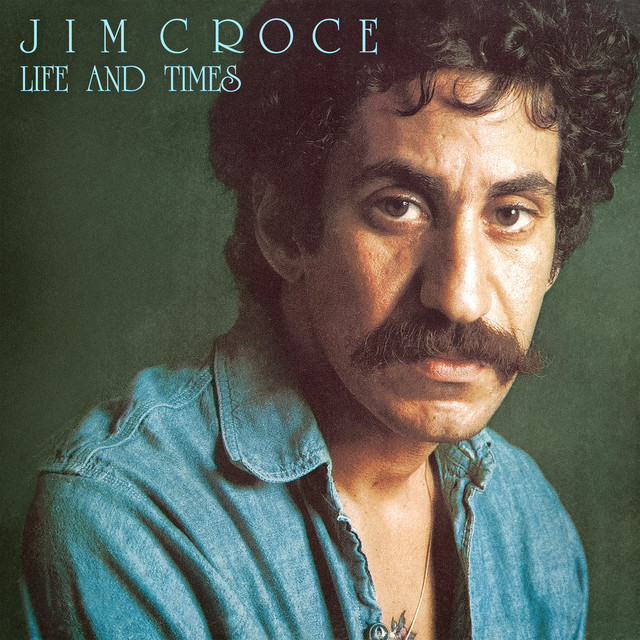
Released in 1973 as part of Jim Croce's album Life and Times, "Bad, Bad Leroy Brown" quickly became a cultural touchstone, encapsulating the complexities of masculinity in 1970s America. The song tells the story of Leroy Brown, a man who struts through his neighborhood with an air of invincibility, described as the "baddest man in the whole damn town." This characterization reflects a societal fascination with the rebellious archetype during a time when traditional gender roles were being scrutinized.
The American Antihero
Leroy Brown is not just a fictional character; he embodies the spirit of a generation that embraced the antihero. In a decade marked by social upheaval and a questioning of authority, Croce's portrayal of Leroy as a tough, street-smart figure resonated with listeners. The lyrics reveal a man who is both feared and respected, showcasing the duality of the American male identity during this era.
"And he’s bad, bad Leroy Brown / Baddest man in the whole damn town."
This line is a declaration of Leroy's status. It reflects the societal admiration for toughness, a trait often glorified in the media and music of the time. The 1970s saw the rise of antiheroes in film and literature, from Travis Bickle in "Taxi Driver" to the characters in Hunter S. Thompson's writings. Leroy fits right into this mold, making him a symbol of both strength and impending doom.
Societal Context
As America grappled with issues such as civil rights, Vietnam, and economic challenges, the idea of the "bad boy" became a focal point for many. Leroy's swagger and bravado provide insight into how American men were expected to navigate these turbulent times. The narrative structure of the song unfolds like a cautionary tale, ending with Leroy meeting his match, which can be seen as a commentary on the limits of machismo and the consequences of a reckless lifestyle.
"And the baddest man in the whole damn town / He was bad, bad Leroy Brown."
Here lies the irony: the very traits that elevate Leroy ultimately lead to his downfall. This reflects a growing awareness in the 70s that unchecked masculinity could spiral into violence and destruction. Leroy's fate serves as a warning to a culture that often glorifies male aggression.
Music as a Mirror
Musically, Croce's folk rock style blends storytelling with catchy melodies, making the song both entertaining and thought-provoking. The upbeat tempo contrasts sharply with its darker undertones, inviting listeners to dance while also reflecting on deeper societal issues. The production, handled by Croce himself, captures the essence of the era, where personal narratives were intertwined with broader social commentary.
Jim Croce tragically died in a plane crash in 1973, shortly after the release of this iconic track, making it a bittersweet highlight of his career.
Lasting Influence
The legacy of "Bad, Bad Leroy Brown" endures beyond its chart-topping success. It has influenced countless artists and continues to be a reference point in discussions about masculinity in pop culture. Leroy's character challenges the listener to rethink their understanding of what it means to be "bad" in society.
In a world still grappling with issues of masculinity and identity, Croce's story remains relevant. Leroy Brown serves as a metaphorical lens through which we can examine the evolution of male identity in America, revealing the layered complexities behind the facade of toughness.