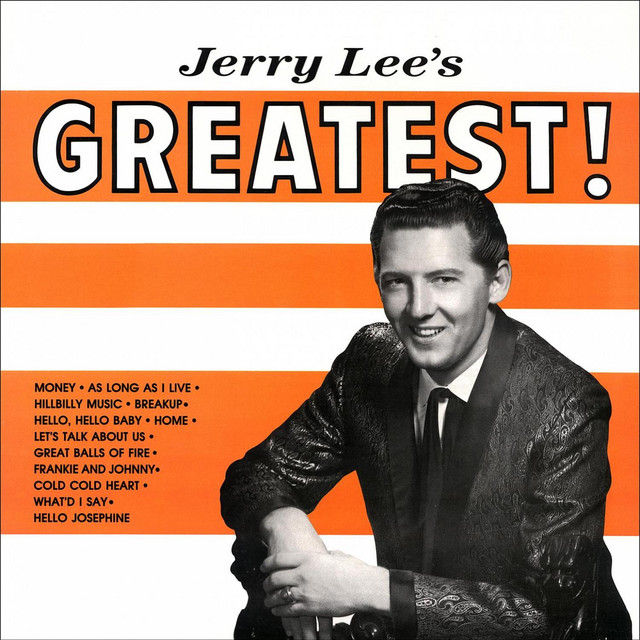
Rebellion in a Fiery Package
Released in 1957, Jerry Lee Lewis's "Great Balls of Fire" is more than just a rock and roll anthem; it's a visceral embodiment of 1950s youth culture. The song, recorded at Sun Records and produced by Sam Phillips, exploded onto the scene with its electrifying piano riffs and Lewis's wild, charismatic delivery. It captured the spirit of a generation grappling with newfound freedoms and societal changes.
Flirting with Controversy
At its core, "Great Balls of Fire" is a celebration of youthful exuberance and desire. Lines like
serve as a euphoric shout that encapsulates the thrill of young love and sexual awakening. In a decade where the sexual revolution was just beginning to bubble under the surface, this song pushed boundaries, offering a provocative glimpse into the inner lives of teenagers who were tired of the post-war conservatism."Goodness gracious, great balls of fire!"
Rock and Roll’s Rebellion
The 1950s was a time of rapid change in America; rock and roll emerged as both a musical genre and a cultural movement. Artists like Lewis were at the forefront, challenging societal norms with their energetic performances and bold lyrics. The unapologetic sexuality in "Great Balls of Fire" made it a rallying cry for youth who felt constrained by the era's expectations.
A Soundtrack for the Silver Screen
Interestingly, the song also found a place in the 1989 biographical film "Great Balls of Fire!", which chronicles Lewis’s tumultuous life. Starring Dennis Quaid, the film revived interest in Lewis's music and provided context for his chaotic persona. It highlighted how his style was not just about the music but also about the lifestyle—a whirlwind of excitement, danger, and rebellion.
Did you know? Jerry Lee Lewis was known for his flamboyant performances, often playing the piano with his feet and setting it on fire!
Connection to Youth Culture
The song's raw energy mirrors the feelings of youth culture during that time, as teenagers sought to break free from parental expectations and explore their identities. The frenetic rhythm and impassioned lyrics acted as an anthem for those wanting to embrace freedom and individuality. It was a direct challenge to the status quo, paving the way for future generations of rock musicians.
Cultural Impact and Legacy
"Great Balls of Fire" has left an indelible mark on music history, not only for its catchy melody but also for its role in shaping youth culture. Its influence can be seen in countless artists who followed, from Elvis Presley to contemporary rock acts, all of whom owe a debt to the audacious spirit that Lewis embodied. The song remains a timeless reminder of the power of rock and roll to inspire, provoke, and ignite change.
Final Thoughts
In a decade defined by contrast, where tradition collided with modernity, Jerry Lee Lewis's "Great Balls of Fire" perfectly encapsulated the spirit of 1950s youth. It was a celebration of life and love, a bold statement of defiance, and a musical legacy that continues to resonate. The fiery excitement of that era can still be felt in the pulsating notes of this classic track, reminding us why rock and roll will always be a vital part of youth culture.