Piano as a Catalyst
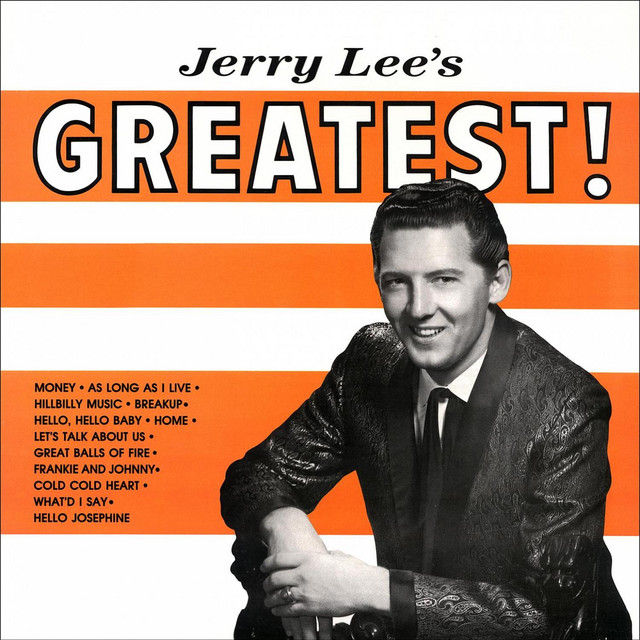
Jerry Lee Lewis’s 1957 hit "Great Balls of Fire" is more than just a song; it’s an explosion of sound that redefined rock and roll. Lewis, a pioneer of the genre, utilized his chaotic piano style to create a track that remains iconic to this day. The frenetic energy of his playing, characterized by rapid-fire notes and wild improvisations, is the heartbeat of the song.
The Sun Records Influence
Recorded at Sun Records, the same label that launched the careers of Elvis Presley and Johnny Cash, "Great Balls of Fire" showcases the raw, unfiltered energy that defined the rockabilly sound. Produced by Sam Phillips, who was known for capturing the essence of his artists, the song’s production allowed Lewis's piano to take center stage, embodying the spirit of rebellion and spontaneity inherent in rock and roll.
Signature Sound
The song opens with a thunderous piano riff that sets the pace for Lewis's vocal stylings. His ability to blend boogie-woogie with a sense of urgency creates a sound that is both exhilarating and chaotic. The way he slams down on the keys, punctuating his vocal lines, is a testament to his showmanship and the influence of jazz and blues on his style. This is not a simple melody; it’s a wild ride.
"Goodness gracious, great balls of fire!"
This lyric captures the essence of the song’s exuberance. It’s an exclamation of thrill, perfectly matched by the explosive piano backing. The frantic pace of the song mirrors Lewis’s own chaotic performance style, which often included energetic foot stomps and wild gestures, further enhancing its appeal.
Chaotic Yet Controlled
While Lewis’s piano playing may seem chaotic, there’s a controlled chaos at play. Each note serves a purpose, and the way he transitions between scales feels almost instinctual. This combination of spontaneity and precision is what makes "Great Balls of Fire" stand out. The song is a masterclass in how to channel frenetic energy into something universally appealing.
Impact on Rock and Roll
The legacy of "Great Balls of Fire" cannot be overstated. It paved the way for future rock musicians to embrace a more liberated performance style. Artists like Little Richard and Chuck Berry would later draw on Lewis’s approach, emphasizing flamboyance and improvisation in their performances. The song's infectious energy continues to inspire musicians across genres, highlighting the pivotal role Lewis played in shaping the sound of rock music.
Pop Culture Resonance
The song was further immortalized through the 1989 biopic "Great Balls of Fire!" starring Dennis Quaid. The film not only documented Lewis’s life but also reignited interest in his music, introducing a new generation to his frenetic genius. The portrayal of Lewis's electrifying performances in the film captured the essence of his artistic identity, showcasing how his chaotic piano style was a significant factor in his enduring appeal.
Did you know? "Great Balls of Fire" was one of the first songs to receive a major radio play in the early days of rock and roll, helping to solidify Jerry Lee Lewis's place in music history.
A Lasting Legacy
In retrospect, "Great Balls of Fire" is not just a song; it’s a cultural moment that encapsulates the essence of rock and roll. Jerry Lee Lewis's piano style—wild, unpredictable, yet thrillingly precise—created a sound that continues to resonate. The energy of the track, rooted in Lewis's chaotic yet captivating performance, remains a benchmark for what rock music can achieve.