The Birth of a Psychedelic Anthem
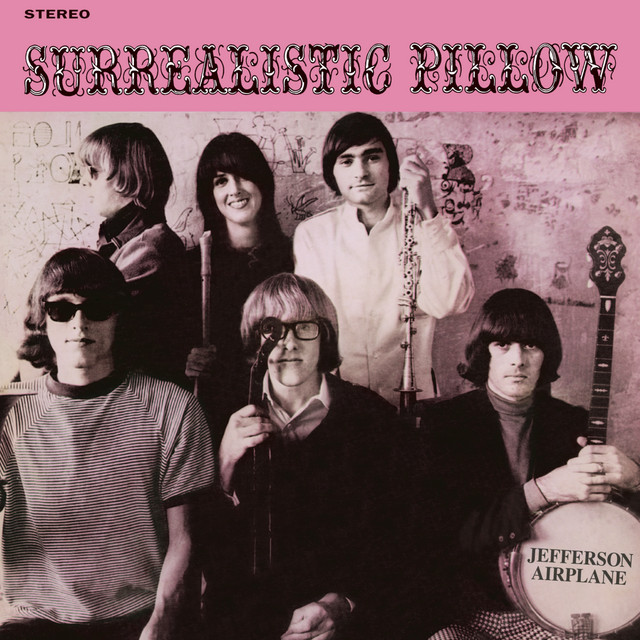
'White Rabbit' emerged as a cornerstone of the psychedelic rock movement, crafted by Grace Slick and recorded by Jefferson Airplane for their groundbreaking 1967 album, Surrealistic Pillow. The song's haunting riff, a serpentine melody that coils around the listener, is often cited as one of the most iconic in rock history. It serves not just as a catchy hook but as an invitation into a world of altered states and vivid imagery.
A Trip Through Lewis Carroll
The song draws heavily from the works of Lewis Carroll, particularly Alice's Adventures in Wonderland. The lyrics encourage listeners to follow the metaphorical white rabbit, a symbol of curiosity and the unknown. Slick’s lines,
, suggest an exploration of consciousness that was emblematic of the 1960s. This was a time when many were experimenting with mind-altering substances, and Slick’s words acted as both a rallying cry and a guide."Remember what the dormouse said, feed your head"
The Sound of the Sixties
Musically, 'White Rabbit' is steeped in the characteristics of psychedelic rock, which is defined by its experimental sounds, surreal lyrics, and a sense of otherworldliness. The song's producer, Rick Jarrard, expertly layered Slick’s ethereal vocals with a lush instrumental backdrop that included the distinctive use of reverb and dynamic crescendos. This sonic architecture mirrors the lyrical themes of transformation and exploration.
Creating a Cultural Moment
Upon its release, 'White Rabbit' quickly became an anthem for the counterculture movement. It was a soundtrack to the Summer of Love and resonated with those seeking liberation from conventional societal norms. The insistence on expanding consciousness through music and art was palpable, and Jefferson Airplane became one of the faces of this transformative era.
The Riff That Defined a Generation
The riff itself has been analyzed and dissected, yet its hypnotic nature remains intact. It begins with a simple, repetitive pattern that builds tension, drawing listeners into a trance-like state. This mirrors the very essence of the psychedelic experience, where reality is warped and perception shifts. Slick's delivery adds a layer of urgency, making the listener feel as though they are being beckoned down a rabbit hole.
Interesting fact: 'White Rabbit' was one of the first songs to explicitly reference drug use, contributing to its reputation as a quintessential psychedelic anthem.
Legacy and Influence
Over the decades, 'White Rabbit' has influenced countless artists across genres. Its themes and sounds have been sampled, covered, and referenced in various media, from film to modern music. The song’s ability to evoke a sense of wonder and adventure remains its most powerful legacy, allowing it to transcend the era it was born into.
Conclusion: More Than Just a Song
Ultimately, 'White Rabbit' is more than just an iconic riff or a catchy tune; it is a cultural artifact that encapsulates a pivotal moment in history. It invites listeners to question reality and explore the depths of their consciousness. As long as the song continues to play, the spirit of the 1960s counterculture will resonate, reminding us of the power of music to inspire and transform.