The Birth of a Psychedelic Anthem
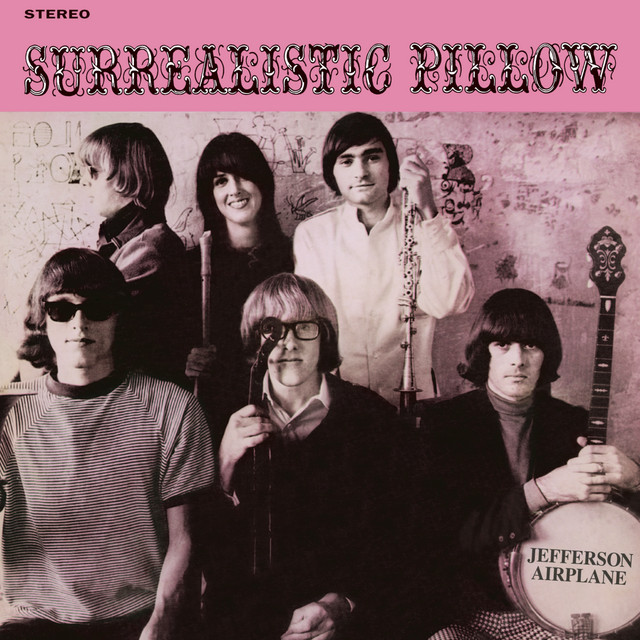
Released in 1967 as part of Jefferson Airplane's influential album Surrealistic Pillow, "White Rabbit" emerged from a San Francisco music scene brimming with revolutionary ideas. Written by Grace Slick, the song is often hailed as one of the cornerstones of the psychedelic rock genre. Its haunting melodies and evocative lyrics perfectly encapsulated the spirit of a generation eager to break free from societal constraints.
Imagery and Influence
With its references to Lewis Carroll's classic tale, the song cleverly intertwines the whimsical with the profound. Slick's lyrics invite listeners down a metaphorical rabbit hole, suggesting experiences that transcend reality. The line,
serves as a rallying cry for the counterculture, encouraging exploration and expansion of consciousness."Remember what the dormouse said, feed your head"
The Counterculture Movement
The late 1960s were marked by social upheaval, anti-establishment sentiments, and a burgeoning quest for spiritual enlightenment. "White Rabbit" resonated with the burgeoning youth culture, who were seeking alternatives to the status quo. As protests against the Vietnam War intensified, the song became synonymous with the desire for change—both politically and personally.
A Musical Revolution
Musically, "White Rabbit" features a unique blend of rock, jazz, and orchestral elements, setting it apart from its contemporaries. Producer Rick Jarrard helped craft its distinctive sound, allowing the song to build tension with its dynamic crescendos. The orchestration mirrors the escalating urgency of the lyrics, creating a captivating experience for listeners.
Legacy and Impact
Years later, "White Rabbit" continues to be a cultural touchstone. Its influence can be seen across multiple generations of musicians and artists who draw inspiration from its fearless exploration of altered states. In films and pop culture, the song often appears as an anthem for rebellion and self-discovery.
Did you know? Grace Slick originally wrote "White Rabbit" as a way to express her own experiences with mind-altering substances, reflecting the broader counterculture movement's fascination with psychedelics.
A Call to the Curious
At its core, "White Rabbit" is more than just a song; it's an invitation to challenge perception and embrace the unknown. The lyrics encourage listeners to question reality and seek deeper truths, resonating with those who feel alienated from mainstream society.
Conclusion: An Enduring Anthem
As we look back on the cultural upheaval of the 1960s, "White Rabbit" stands as a powerful reminder of music's ability to inspire change. Its haunting melody and compelling lyrics have made it an enduring anthem for anyone daring enough to venture beyond the ordinary.