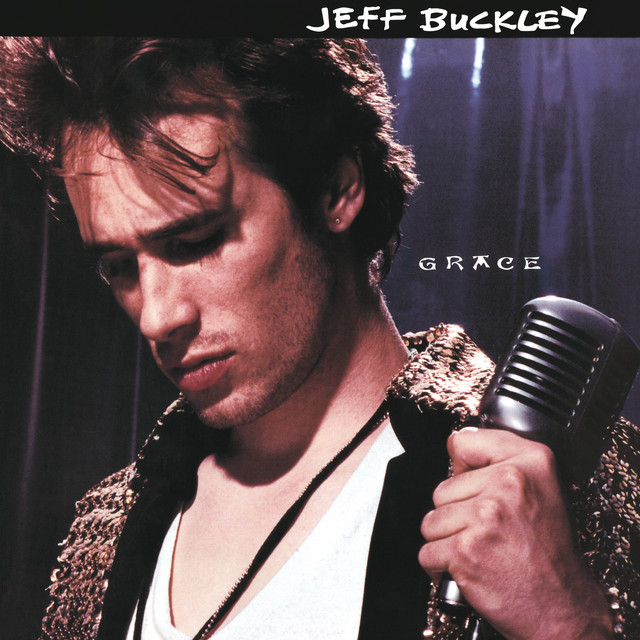
From Leonard Cohen to Jeff Buckley
Leonard Cohen’s original 1984 version of "Hallelujah," from the album Various Positions, is a haunting exploration of love, faith, and loss. Yet, it was Jeff Buckley’s cover on his 1994 debut album, Grace, that transformed the song into a cultural phenomenon. Buckley infused the track with a raw, emotional intensity that made it unmistakably his own.
The Voice of a Generation
Buckley’s rendition is often regarded as one of the most remarkable vocal performances in modern music. His voice navigates the delicate balance between sorrow and beauty, particularly in the way he delivers the line,
. This line speaks to the complexity of faith and doubt, a theme that resonates deeply with listeners even decades after his passing."And it's not a cry that you hear at night, it's not someone who's seen the light"
A Tragic Legacy
Jeff Buckley’s life was tragically cut short in 1997 when he drowned in the Wolf River in Memphis, Tennessee. His untimely death only amplified the emotional weight of his music, particularly "Hallelujah." The song became a symbol of his artistic brilliance and the profound sense of loss felt by those who admired him.
In 2007, Rolling Stone named Buckley's version of "Hallelujah" one of the 500 greatest songs of all time, solidifying his status as an icon.
A Spiritual Rebirth
After his death, "Hallelujah" took on a new life in popular culture. It was featured in numerous films and television shows, each time recontextualizing Buckley’s emotional delivery. The song has become a go-to for artists seeking to convey profound emotion, proving that Buckley’s interpretation is timeless.
Chart Success and Lasting Impact
In 2008, Buckley’s version reached number one on Billboard's Hot Digital Songs chart, a posthumous achievement that showcased the enduring appeal of his artistry. Although he released only one studio album during his lifetime, the impact of Grace and its standout track, "Hallelujah," continues to define his legacy.
"It's a cold and it's a broken Hallelujah"
Conclusion: A Song for the Ages
Ultimately, "Hallelujah" represents more than just a song in Buckley’s catalog; it embodies his spirit and artistic vision. In a world filled with fleeting trends, Buckley’s rendition remains a touchstone for those grappling with the complexities of love and loss. His version of "Hallelujah" will forever echo through the corridors of music history, a testament to a life lived fully and an artistry that continues to inspire.