The Legacy of Leonard Cohen
Leonard Cohen's 'Hallelujah' has been a haunting presence in the music world since its introduction on his 1984 album, Various Positions. Cohen's version, steeped in biblical references and personal reflection, set a somber tone that would resonate through generations.
Jeff Buckley's Reverent Cover
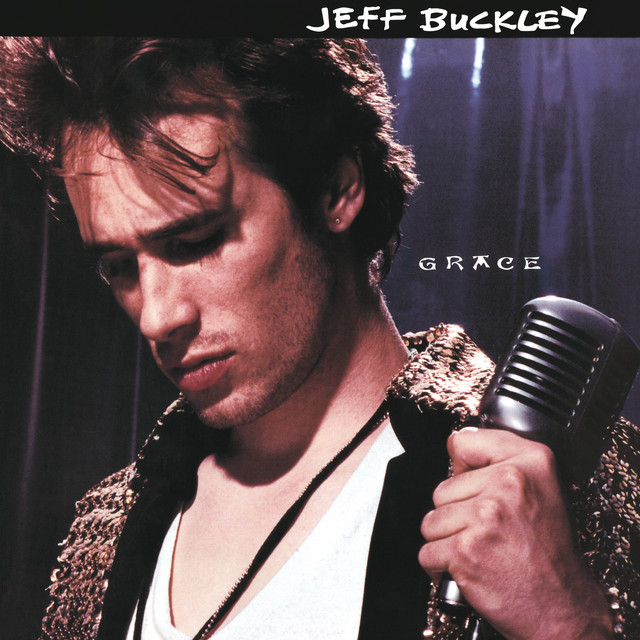
When Jeff Buckley released his interpretation on the 1994 album Grace, he transformed the song into an emotional outpouring, infusing it with a raw vulnerability that starkly contrasted Cohen's more restrained approach. Buckley’s rendition redefined 'Hallelujah' as a contemporary anthem of loss and yearning, elevating it to a new realm of popularity.
Emotional Depth in Delivery
One of the most striking aspects of Buckley’s version is his ability to convey deep sorrow through his vocal delivery. The way he navigates the lyrics creates a palpable sense of longing. Buckley draws out the line,
, allowing the listener to feel the weight of unspoken heartache."And it's not a cry that you hear at night"
Instrumentation and Arrangement
The minimalistic arrangement of Buckley's 'Hallelujah' enhances its emotional impact. The gentle guitar accompaniment contrasts with the intensity of his voice, creating a haunting atmosphere that captures the essence of Cohen’s original while forging its own identity. Produced by Bill Bottrell, the sound is at once intimate and expansive, drawing listeners into Buckley’s world.
Critical Acclaim and Cultural Impact
Over the years, Buckley’s cover has garnered immense acclaim, even making it onto Rolling Stone's list of the 500 greatest songs of all time in 2007. His version peaked at number one on Billboard's charts in 2008, solidifying its status as a modern classic. This success speaks to the universality of the song’s themes and the emotional connection it fosters.
A Timeless Connection
While Cohen's 'Hallelujah' explores themes of faith and doubt, Buckley’s interpretation dives into the complexities of love and loss. The lyric,
, encapsulates this essence, illustrating a profound acceptance of pain alongside beauty. Buckley’s ability to convey such a complex emotional landscape is part of what makes his version so enduring."It's a cold and it's a broken Hallelujah"
The Influence of Cohen
Leonard Cohen’s influence on Buckley goes beyond mere lyrics; it’s in the very soul of the performance. Buckley honors Cohen by keeping the spirit of the song alive while infusing it with his personal experiences. This blend of homage and innovation is what allows 'Hallelujah' to continually resonate with audiences, making it a staple in the canon of contemporary music.
Interesting fact: Jeff Buckley had never heard Cohen's original version before recording his own. He was inspired by a live performance by John Cale, which led him to cover the song.
Conclusion
The haunting resonance of 'Hallelujah' is a testament to the power of interpretation in music. Jeff Buckley’s cover is an emotional tour de force, rooted in the profound influence of Leonard Cohen. Their connection is a reminder of how artistry can transcend time, creating a dialogue between generations of musicians and listeners alike.