Power and Gender in the 1960s
Released in 1966, James Brown's "It's A Man's, Man's, Man's World" stands as a seminal track, poignantly intertwining the themes of masculinity and power. The song, co-written with Betty Jean Newsome, captures a world where male dominance is unquestioned, but it simultaneously sparked a fervent feminist response during a pivotal decade. As the Women’s Liberation Movement gained momentum, the song's lyrics became a focal point for discussions about gender roles.
A Man's World: The Lyrics Speak Volumes
The opening lines of the song present a stark reality:
This contradiction emphasizes the dependency of the male experience on women, yet it also reinforces a patriarchal perspective that women are secondary to men. Feminists seized on this duality, arguing that while men may hold the reins, the vitality of life and progress is inherently tied to women's contributions."This is a man's world / But it wouldn't be nothing, nothing without a woman or a girl."
The Feminist Lens
At the time of its release, the feminist movement was challenging traditional gender roles and advocating for equality across all social strata. The notion that men could thrive in a world at the expense of women resonated with activists who were demanding a re-evaluation of societal structures. Women's voices in music and art began to rise, countering narratives that had long favored male perspectives.
Responses from Women in Music
Artists like Aretha Franklin and Dusty Springfield began to redefine femininity in music, creating narratives that placed women at the forefront. Franklin's empowering anthem, “Respect,” released the same year, directly countered the implications of Brown's hit. While Brown's lyrics lament the necessity of women in a man's world, Franklin's demanded acknowledgment and respect, flipping the script entirely.
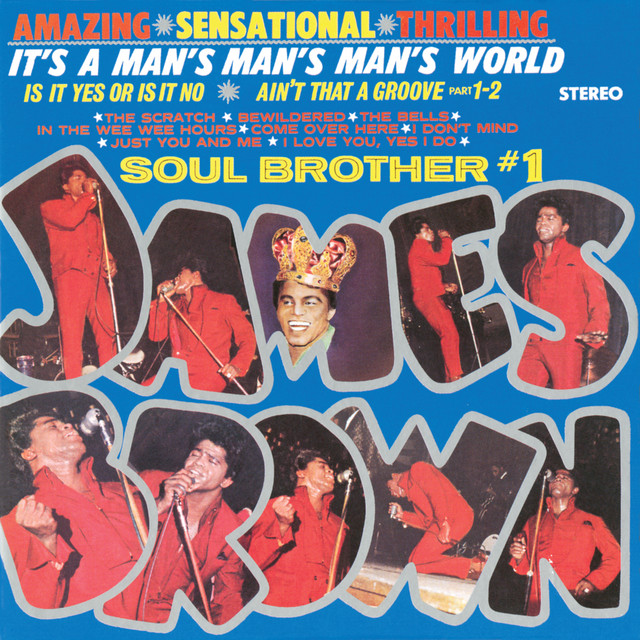
James Brown's song was recorded on February 16, 1966, in New York City and later featured on the compilation album, "It's a Man's, Man's, Man's World."
Critique and Reflection
Critics of Brown's work in the 1960s posited that his portrayal of women was reductive. While he acknowledged their importance, he ultimately relegated them to supportive roles. The feminist movement, which was increasingly vocal about such representations, pushed back against this narrative. They argued for a recognition of women's autonomy and agency, which Brown’s lyrics seemed to stifle.
Legacy of the Song
Today, “It's A Man's, Man's, Man's World” is often viewed through a historical lens that questions the implications of its message. As discussions around gender equality continue to evolve, the song serves as a reminder of the struggles women faced in the 1960s and the ongoing journey toward equity. The feminist response was not just a critique but a call to action, pushing for a cultural shift that would allow women to define their own narratives.
Concluding Thoughts
While James Brown's song remains a classic, its legacy is complex. The feminist movement of the 1960s effectively transformed the cultural conversation surrounding gender, using Brown's lyrics as a springboard for deeper discussions about equality and representation. In a world still grappling with these issues, the song stands as both a testament to male dominance and a call for women's empowerment.