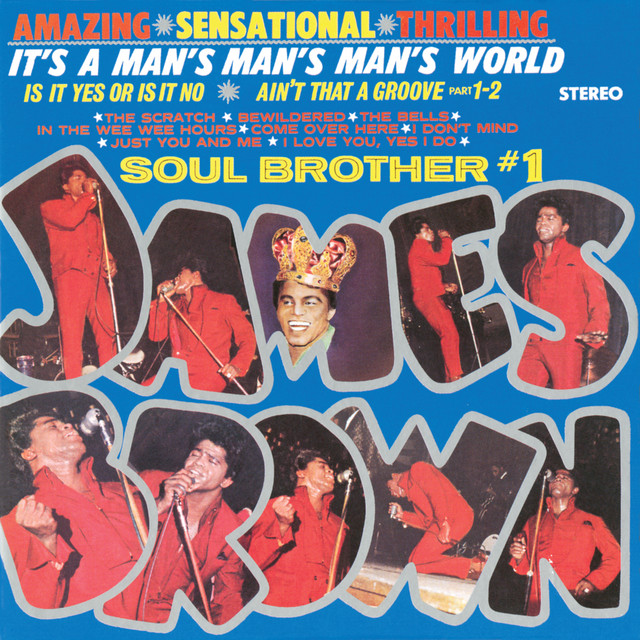
A Song for a Changing Era
James Brown's "It's A Man's, Man's, Man's World," recorded in February 1966, stands as a powerful critique of gender roles during a transformative time in American history. The song, co-written with Betty Jean Newsome, emerged amidst the Civil Rights Movement, where the fight for equality was not limited to race but extended to gender dynamics as well.
Empowerment and Irony
At first listen, the title suggests a celebration of masculinity, but the lyrics reveal a complex irony. Brown asserts that while the world may belong to men, it is women who truly give it life. He sings,
This duality captures the essence of the women's liberation movement that paralleled the Civil Rights Movement, emphasizing that both struggles were interconnected."This is a man's world, but it wouldn't be nothing without a woman or a girl."
Context of the Civil Rights Movement
The Civil Rights Movement was not just about racial equality; it also paved the way for a broader examination of social justice issues, including women's rights. Organizations like the National Organization for Women (NOW), founded in 1966, were influenced by the momentum of civil rights activism. Brown's lyrical commentary reflects a growing awareness of women's contributions to society, challenging the patriarchal norms of the 1960s.
Feminism and Soul
Musically, the song is steeped in the soul genre, characterized by its emotive delivery and rich instrumentation. Brown's dynamic vocal performance, layered with horns and rhythm, embodies the urgency of the message. The song became an anthem for those who felt marginalized, and its themes of gender inequality echoed the sentiments resonating in protests across the nation.
Breaking Boundaries
Just as the Civil Rights Movement sought to dismantle systemic oppression, Brown’s song critiques the male-dominated societal structures. The line
serves as a metaphor for traditional male achievements, yet it subtly undermines these constructs by reminding listeners of the foundational role women play."You see, man made the cars to take us over the road, / Man made the train to carry the heavy load..."
A Cultural Shift
The release of “It’s A Man’s, Man’s, Man’s World” coincided with a time when women were starting to assert their rights more vocally, inspired by both the feminist movement and civil rights activism. Brown’s acknowledgment of women’s undervalued contributions serves to elevate their importance in the ongoing fight for equality.
Legacy and Influence
The impact of this song extends beyond its powerful melody. It has been covered and referenced by numerous artists over the years, solidifying its status as a classic. The themes of the song still resonate today, as contemporary movements for gender equality continue to draw inspiration from the struggles articulated during the Civil Rights Movement.
Fun Fact: The song was recorded at a pivotal moment when both the Civil Rights and women's liberation movements were gaining momentum, enhancing its significance in music history.
Conclusion: A Call for Reflection
In “It’s A Man’s, Man’s, Man’s World,” James Brown crafts a narrative that reflects the complexities of masculinity and the essential role of women in society. By framing the conversation around gender within the context of the Civil Rights Movement, the song invites listeners to consider not just who holds power, but who gives life to that power.