A Funk Anthem with African Roots
When James Brown released "I Got The Feelin'" in 1968, he wasn't just crafting a hit; he was channeling the rich, pulsating rhythms of African music that had long been a cornerstone of Black musical expression. This track, which reached No. 1 on the R&B chart and No. 6 on the pop chart, exemplifies how Brown's sound was steeped in the African diasporic tradition, marking a pivotal moment in the evolution of funk.
The African Influence
Before diving into the song itself, it’s essential to understand the historical context. Brown, often referred to as the Godfather of Soul, was instrumental in bringing African-inspired rhythms into the mainstream of American music. The polyrhythmic structures that underpin "I Got The Feelin'" can be traced back to West African musical traditions, where complex rhythms form the backbone of many genres.
"I got the feelin', I got the feelin', I got the feelin'..."
The repetitive nature of this lyric is not just a catchy hook; it mirrors the call-and-response patterns prevalent in African music. It invites participation and creates a communal vibe, which is a hallmark of both African and African American musical practices.
Rhythm as a Narrative
Brown's arrangement in "I Got The Feelin'" is a masterclass in rhythm. The song features a prominent horn section that punctuates the groove, a technique that draws from traditional African ensembles where horns and percussion lead the narrative. The syncopation, a critical aspect of African music, creates a dynamic energy that propels the song forward.
Moreover, the interplay between the drums and bass in this track is nothing short of revolutionary. The bass line locks in with the kick drum, while the snare provides a sharp contrast, creating a danceable groove that is infectious. This rhythmic foundation allows Brown's vocals to soar, showcasing his ability to weave storytelling with rhythm.
Cultural Significance
By the late 1960s, America was undergoing significant social upheaval, and Brown's music became anthemic for the civil rights movement. "I Got The Feelin'" isn't just a song; it’s a celebration of identity and resilience. The African roots in the rhythm provide a sense of continuity, connecting the struggles of the present to ancestral traditions.
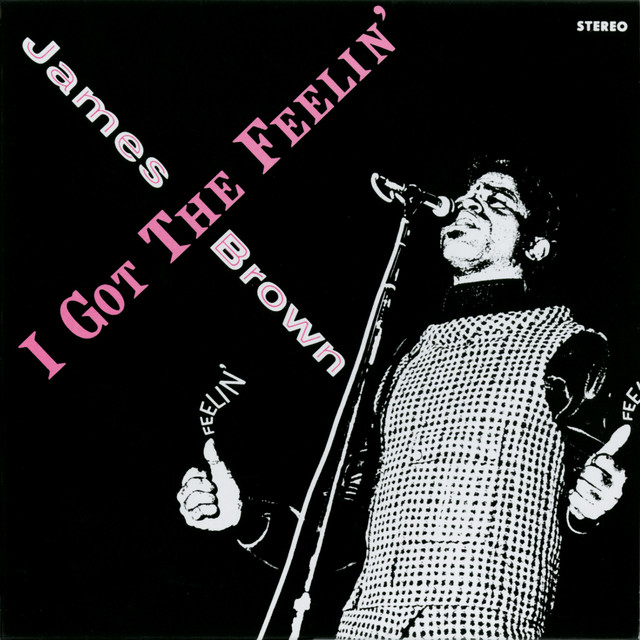
Interesting fact: The song was featured on the album "I Got the Feelin'", which was released by King Records in April 1968, marking a significant year in both music and social change.
Legacy and Influence
The influence of "I Got The Feelin'" extends far beyond its initial release. It laid the groundwork for future genres, including hip-hop and contemporary R&B. Artists like Prince and OutKast have cited Brown's rhythmic innovations as pivotal to their own sound, showcasing the timeless appeal of those African rhythms.
In a world where music often gets categorized and compartmentalized, Brown's work serves as a reminder of the interconnectedness of cultural influences. His ability to draw from African roots while creating distinctly American music is what sets "I Got The Feelin'" apart.
Conclusion
James Brown's "I Got The Feelin'" is more than just a funk classic; it’s a profound expression of cultural identity that highlights the unseen influence of African rhythm. As we listen, we are reminded of the power of music to transcend boundaries and connect us to our roots.