Funk's Heartbeat: The Role of Improvisation
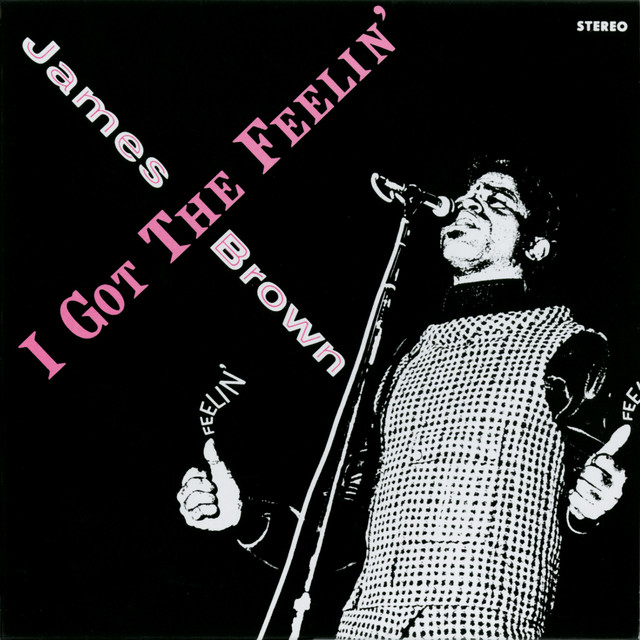
Released in 1968, "I Got The Feelin'" became a defining moment in James Brown's illustrious career, embodying the raw energy of funk and the spontaneity it demands. As the track surged to No. 1 on the R&B chart, it marked a pivotal shift in the way music was created and performed. Brown’s genius lay not just in his songwriting but in the improvisational spirit that permeated this track.
The Studio as a Playground
Brown's sessions at King Records were notoriously electric, with the band often feeding off each other's energy in real-time. This collective improvisation is palpable in "I Got The Feelin'", where the musicians are not merely following a script but are engaged in a vibrant dialogue. The horns punctuate the rhythm with sharp bursts, while the rhythm section holds down a groove that feels both familiar and freshly spontaneous.
James Brown: The Architect of Funk
Brown was known for his unyielding work ethic and demand for perfection, yet he thrived in the chaos of live performance. Songs like "I Got The Feelin'" were often born from these live moments, where the line between rehearsal and performance blurred. The energy of the crowd, the improvisational flair of the band, and Brown's own unpredictable vocal deliveries created an atmosphere that was both electric and liberating.
"I got the feelin', I got the feelin', I got the feelin'"
This repetitive mantra is not just a catchy hook; it serves as a rallying cry, inviting listeners into the shared experience of the moment. The way Brown stretches these phrases, playing with timing and emphasis, showcases the essence of improvisation. Each delivery feels unique, tailored to the energy of the performance.
Improvisation: A Funk Foundation
The improvisational moments in "I Got The Feelin'" are not just about musical freedom; they reflect a broader cultural expression. The late 1960s were a time of upheaval and change, and funk music became a vessel for that expression. Brown’s ability to improvise in the studio mirrored the improvisational spirit of the civil rights movement, where spontaneity became a vital response to societal pressures.
The song was part of Brown's nineteenth studio album, also titled "I Got The Feelin'", released in April 1968.
A Lasting Influence
Years later, the impact of Brown's improvisational style can be seen across genres. Artists from hip-hop to jazz have drawn inspiration from the way he approached music-making. The ethos of spontaneity and creativity in "I Got The Feelin'" continues to influence musicians, encouraging them to break free from rigid structures.
The Legacy of 'I Got The Feelin''
Ultimately, "I Got The Feelin'" is more than just a song; it’s a testament to the power of improvisation in music. Brown’s ability to capture the moment, live and raw, resonates even today. As listeners, we are invited to experience not just the song but the very essence of musical creation that thrives in the unexpected.