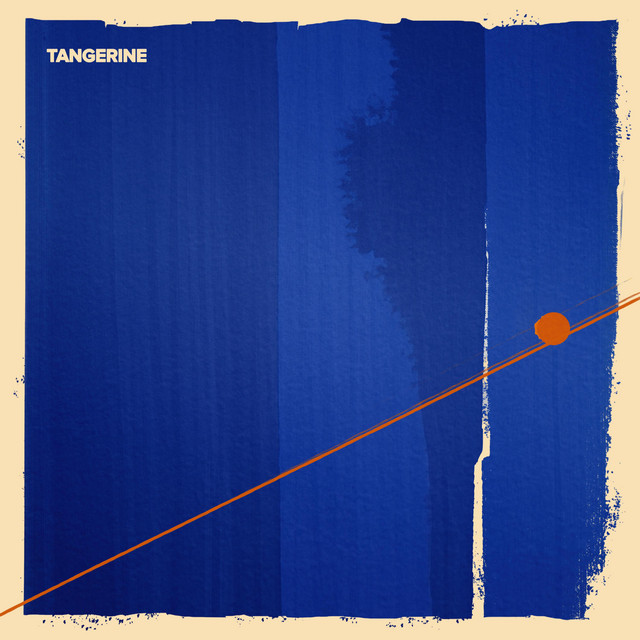
The Color of Emotion
Greg Shilling's 1967 track "Tangerine" is not just a catchy psychedelic pop gem; it’s a vibrant canvas painted with the hues of emotional turmoil and ecstasy. The titular fruit serves as a metaphorical anchor, a symbol of warmth and vitality, contrasting sharply with the darker undertones of the song's narrative.
Shilling's lyricism deftly plays with color, using the bright, citrusy tangerine to evoke feelings of joy and nostalgia. Yet, this brightness is layered with complexity, hinting at the tumultuous experiences often associated with the era's counterculture.
A Double Entendre
Adding to the song's depth is the clever use of the abbreviation for Pounds, Shillings, and Pence, which serves as a double entendre for LSD. This nod to the drug culture of the time added a controversial edge that led to the BBC banning the song. In an era where music was often a form of rebellion, Shilling tapped into the psychedelic experience, both in sound and lyric.
"The world feels tangerine, colors swirl and fade away."
This line captures the essence of a drug-induced state, where the ordinary transcends into the extraordinary. The imagery conjured here is not merely about visual perception but reflects the emotional highs and lows that accompany such experiences.
Symbolism and Emotional States
The tangerine, with its bright skin and sweet, tangy flavor, symbolizes a fleeting happiness that can quickly sour. This duality reflects Shilling's exploration of human emotion — how joy can be intoxicating while simultaneously masking deeper sadness. The vibrant color becomes a lens through which listeners can explore their inner landscapes.
In a way, the song’s color symbolism serves as a reminder of the transient nature of happiness, a theme that resonates particularly in the late 1960s as society grappled with the contradictions of peace, love, and the darker facets of the human experience.
Cultural Context
Released on Shilling's debut album, "Kaleidoscope Dreams", the song arrived during a pivotal moment in music history. The psychedelic movement was in full swing, pushing boundaries both musically and socially. "Tangerine" encapsulates this spirit of experimentation, not only sonically but in the way it addresses themes of consciousness and perception.
"Tangerine" was banned by the BBC for its drug references, a reflection of the cultural clash between the counterculture movement and mainstream media.
Legacy and Interpretation
Today, "Tangerine" stands as a testament to Shilling's ability to intertwine vibrant imagery with weighty themes. The song's legacy is not just in its catchy melody but in its capacity to provoke thought about the emotional states we navigate. The vivid color symbolism opens a dialogue about how music can reflect and influence our personal experiences, bridging the gap between artistry and reality.
In a world that often feels monochrome, Shilling's "Tangerine" bursts forth with color, inviting listeners to explore the spectrum of their own emotions while challenging societal norms. It's a reminder that even the sweetest moments can be tinged with complexity, just like the fruit itself.