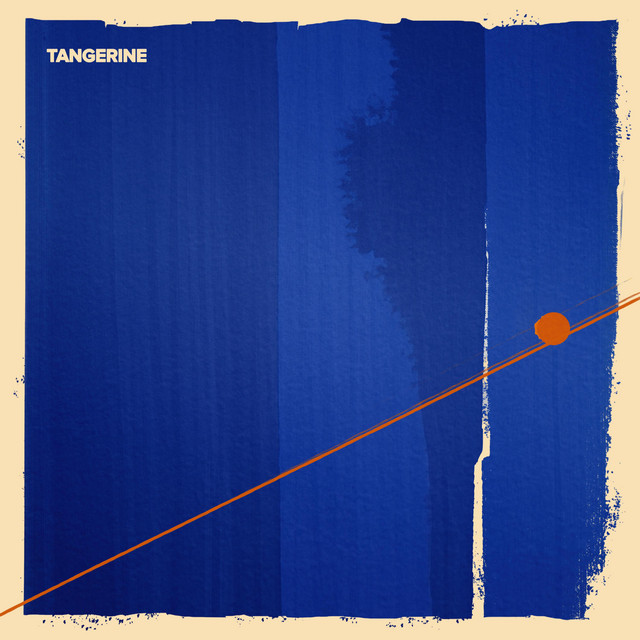
Love and Loss on a Warm Summer Night
Greg Shilling’s 1972 track "Tangerine" is not just a song; it’s a vivid snapshot of a fleeting summer romance, infused with the bittersweet essence of youth and the inevitable heartache that follows. From the opening notes, Shilling sets a scene that is both nostalgic and haunting, drawing listeners into a world where love and loss are inextricably linked.
The song's bright, jangly guitars and upbeat tempo create an alluring backdrop that contrasts sharply with its deeper themes. Shilling’s lyrical prowess shines as he captures the ephemeral beauty of love, particularly in the lines that evoke the heady rush of passion and the subsequent crash of reality.
Double Meanings and BBC Controversy
Interesting fact: Despite its ban, "Tangerine" became a cult favorite, celebrated for its daring lyrics and infectious melody.
This twist adds an extra layer to the song, where the euphoric highs of love can be likened to the highs of a drug experience. The catchy chorus, where Shilling sings about the sweetness of the titular fruit, takes on a dual meaning, reflecting both the joy of romance and the fleeting nature of those highs.
"Your love is a tangerine, sweet and so divine"
Here, the fruit symbolizes the transient sweetness of passion, making it clear that while the experience is delightful, it’s also temporary. The vivid imagery invites listeners to reflect on their own experiences of love, making the song universally relatable despite its specific context.
A Reflection of a Generation
Released in 1972 on the album "Through the Looking Glass," "Tangerine" is emblematic of a generation grappling with the complexities of love, identity, and cultural upheaval. Shilling’s blend of folk-rock with psychedelic undertones mirrors the sonic experimentation of the time, while his lyrics reveal a deeper emotional intelligence that resonates with anyone who has ever loved and lost.
The song’s infectious melody is matched only by its lyrical depth, showcasing Shilling’s ability to craft songs that are not only catchy but also reflective. His use of the word "tangerine" serves as a powerful metaphor, encapsulating the sweetness of love and the inevitable decay that follows. In an era defined by its exploration of new ideas and experiences, Shilling’s work stands out as both a product of its time and a timeless exploration of the intricacies of human relationships.
Legacy of 'Tangerine'
Despite its ban, "Tangerine" has endured, becoming a beloved classic that resonates with listeners across generations. Shilling's ability to weave personal experiences with broader cultural themes has ensured that the song remains relevant. It’s a reminder that love, much like the sweet tang of a tangerine, can be delicious yet fleeting.
In a world where music often prioritizes the surface over substance, Shilling’s work reminds us of the power of lyrical storytelling. "Tangerine" is more than just a song about a summer romance; it’s a nuanced exploration of love’s highs and lows, wrapped in a melody that continues to captivate.