The Cosmic Context of a Romantic Classic
Written in 1954 by Bart Howard, "Fly Me to the Moon"—originally titled "In Other Words"—captures a moment when humanity was fixated on the stars. Just a few years prior, the world was reeling from the aftermath of World War II, but the dawn of the Space Age was on the horizon. The song's lush romanticism coincided with a burgeoning fascination with space exploration, making it not just a love song but a reflection of its time.
A Love Song with Astronomical Aspirations
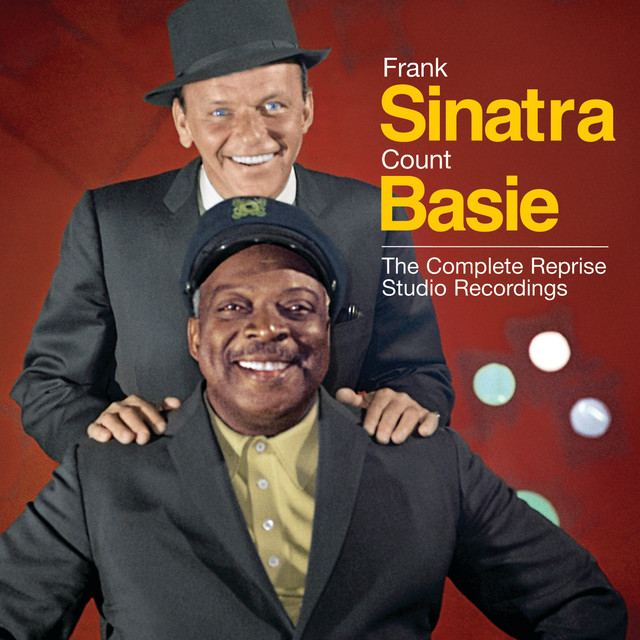
When Frank Sinatra recorded the song in 1964 for his album "It Might as Well Be Swing," the Space Race was in full swing. The lyrics, laden with celestial imagery, echo the era's excitement about reaching for the stars. Howard writes,
, which invites listeners into a romantic daydream that simultaneously nods to the human aspiration to explore beyond our earthly confines."Fly me to the moon, let me play among the stars"
Romance and Exploration Intertwined
In a time when the world was captivated by the idea of space travel, Howard's lyrics beautifully intertwine romantic love with the notion of exploration. The idea of flying to the moon serves as a metaphor not only for the heights of love but also for the excitement of new frontiers. With the launch of Sputnik just a year earlier in 1957, humanity's gaze was fixed on the cosmos, and songs like this encapsulated that spirit.
The Cultural Impact of the Space Race
The Space Race wasn't merely a competition between the United States and the Soviet Union; it was a cultural phenomenon that influenced art, literature, and music. By the time Sinatra's version hit the airwaves, the Apollo program was gearing up to land on the moon, and songs that romanticized space became part of the collective consciousness. Sinatra's smooth delivery cast a spell that made the impossible seem possible.
Lyricism Rooted in Reality
Howard’s use of cosmic language reflects not only romantic yearning but also an era of innovation and hope. Lines like
juxtapose the intimate with the infinite. This blend of personal connection and grand aspirations mirrors the public's own desires during a time when humanity sought to conquer the heavens."In other words, hold my hand"
Legacy of a Timeless Classic
"Fly Me to the Moon" has transcended its origins, becoming a standard in jazz and pop music. The song's intertwining of love and space exploration resonates with generations, reminding us that love itself can feel like an adventure into the unknown. As we look back on the Space Race, it’s clear that this song captured the zeitgeist of a pivotal moment in history.
Conclusion: More Than Just a Love Song
Ultimately, "Fly Me to the Moon" is more than a romantic ballad. It encapsulates the spirit of an age when the impossible became possible, and love soared to new heights. The influence of the Space Race can still be felt in its lyrics, reminding us of a time when our dreams extended far beyond the atmosphere. As we listen to Sinatra's iconic rendition, we’re not just hearing a love song; we’re experiencing a moment in history that still inspires us today.