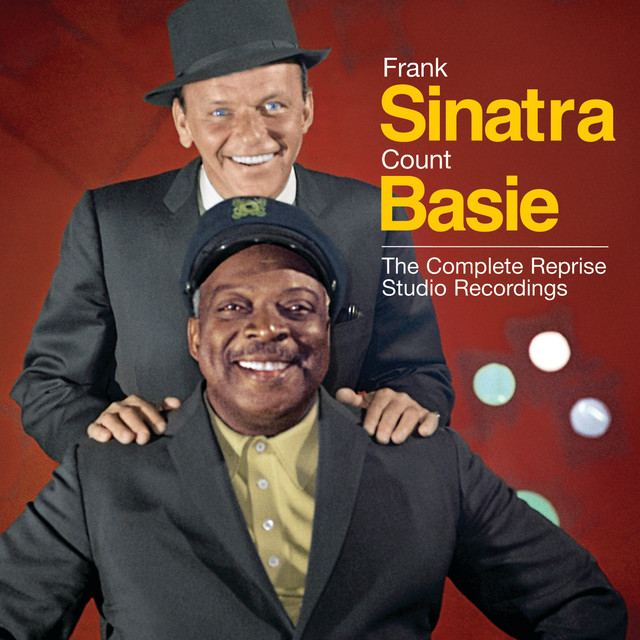
The Birth of a Classic
'Fly Me to the Moon', originally titled 'In Other Words', emerged from the pen of Bart Howard in 1954. This charming ballad quickly found its voice in the jazz scene, but it was Frank Sinatra’s 1964 recording that solidified its status as an enduring standard. Howard's simple yet profound lyrics capture the essence of romantic longing, making it a perfect canvas for Sinatra's smooth, emotive delivery.
Sinatra's Signature Touch
Set against a backdrop of lush orchestration, Sinatra's version appears on his album 'It Might as Well Be Swing', produced by the legendary Quincy Jones. The combination of Jones' vibrant arrangement and Sinatra's effortless phrasing transformed the song into an anthem of love and aspiration. The way Sinatra sings,
invites listeners to envision a world where love is as limitless as the cosmos."Fly me to the moon, let me play among the stars"
The Jazz Standard Evolution
Initially, Howard's tune was met with a warm reception but it wasn't until Sinatra's adaptation that it truly soared. The song's blend of jazz and pop appealed to a broad audience, making it a staple in both genres. Over the years, countless artists from Tony Bennett to Diana Krall have interpreted the song, each adding their unique flair while paying homage to the original.
Interesting fact: 'Fly Me to the Moon' was the first song ever played on the moon during the Apollo 10 mission in 1969.
Cultural Impact and Legacy
Beyond its musicality, 'Fly Me to the Moon' has entered the cultural lexicon, often associated with romantic moments in films and weddings. Its timeless appeal lies in its ability to convey deep emotion in a few simple phrases, making it a favorite among jazz musicians. The line,
is a masterclass in lyricism, blending sophistication with simplicity."In other words, darling, kiss me"
Conclusion: A Lasting Influence
Frank Sinatra’s 'Fly Me to the Moon' is more than just a cover; it is a reinvention that has shaped the song’s identity. This classic continues to inspire artists and enchant listeners, proving that some songs are truly timeless, transcending their origins to become something greater.