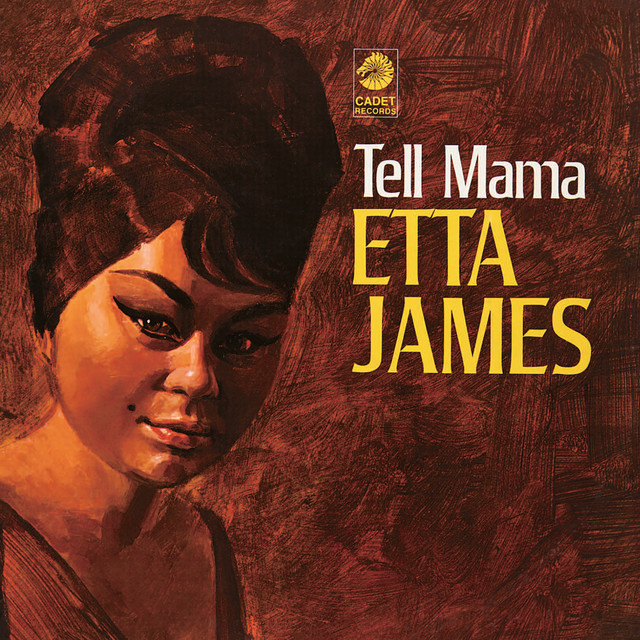
The Birth of a Blues Classic
'Tell Mama' was recorded in 1967 by the legendary Etta James, marking her emergence as a powerhouse in the blues genre. This track is not merely a song; it’s a cultural artifact that bridges the gap between the raw emotionality of blues and the burgeoning soul movement of the 1960s.
Originally penned as 'Tell Daddy' by Clarence Carter in 1966, it laid the groundwork for what James would transform into her signature sound. Carter co-wrote the track, which speaks to the universal themes of love and heartache, both staples in blues music.
Produced by Rick Hall at FAME Studios, 'Tell Mama' showcases the seamless blend of gospel, rhythm and blues, and jazz influences that shape Etta James’ style.
Musical Structure and Emotion
The musical arrangement of 'Tell Mama' is a study in the blues format. It utilizes a classic 12-bar blues progression, which is inherently designed to evoke a sense of longing and sorrow. James’ delivery, layered with background vocals, elevates this structure into an emotional tour de force.
What’s striking is how James infuses a sense of urgency into the song. The opening line, with its direct appeal to the listener, establishes an immediate connection:
. Here, the call-and-response technique synonymous with blues is deliberately employed, showcasing not just the lyrical content but also the communal aspect of the genre."Tell mama all about it"
Instrumentation and Arrangement
The instrumentation in 'Tell Mama' is meticulously crafted. The horns punctuate the verses, injecting energy that contrasts with the weight of the lyrics. This dynamic interplay is crucial; it reflects the internal struggle between heartache and resilience that defines James’ vocal performance.
Moreover, the rhythm section provides a steady pulse that grounds the song, allowing James’ voice to soar. The bass line is particularly noteworthy; it underpins the harmonic structure while enhancing the song's tension, making every note she sings feel like a cathartic release.
Contextualizing 'Tell Mama'
Released as part of the album 'Tell Mama', this track holds a significant place in Etta James' discography and the broader narrative of 1960s music. The album itself was her second release under Cadet Records, and the production quality reflects the era’s experimentation with sound.
James was not just a singer; she was a storyteller. Her ability to convey pain through her voice is unmatched, as demonstrated in lines like
. This line encapsulates a sense of desperation that is all too familiar in blues music, yet she delivers it with such conviction that it feels fresh, urgent, and relatable."I can’t take it no more"
A Legacy of Influence
'Tell Mama' has left an indelible mark on the blues landscape, influencing countless artists who followed. Its affective qualities have allowed it to transcend generations, making it a staple in both live performances and recordings.
In the years since its release, the track has been covered by various artists across multiple genres, each interpretation adding layers to its already rich history. Yet, none capture the raw essence of Etta James quite like the original.
Conclusion: The Heart of the Blues
Ultimately, 'Tell Mama' is a masterclass in how to intertwine personal narrative with musical innovation. Etta James not only honors the blues tradition but also expands its boundaries, creating a sound that is as compelling today as it was over fifty years ago. Her voice, laced with pain and power, remains a testament to the resilience of the human spirit, proving that the blues is not just a genre, but a way of life.