The Weight of Experience
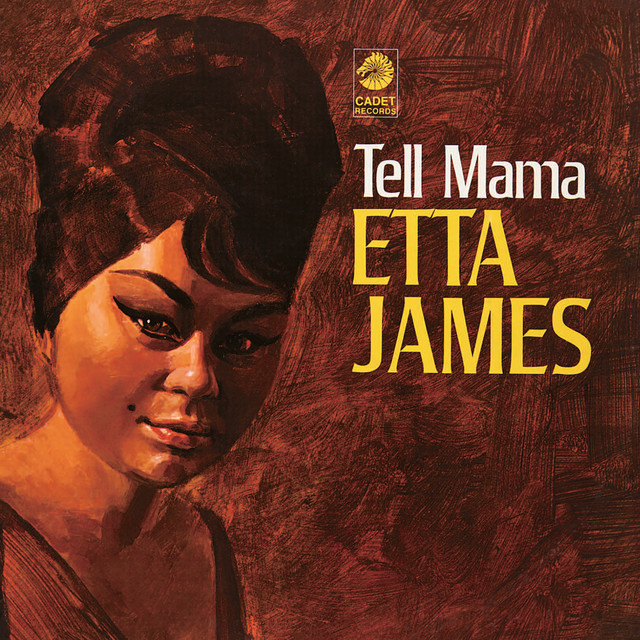
Etta James' 'Tell Mama' is more than just a song; it's a raw reflection of the tumultuous life she led. Released in 1967 as part of her seventh studio album, also titled 'Tell Mama', the track showcases the depth of her emotion, rooted in personal struggles that shaped her artistry. Produced by Rick Hall at FAME Studios, the song stands out in the landscape of soul music, not just for its catchy hook but for the heart-wrenching sincerity in James' delivery.
A Song Born from Pain
The origins of 'Tell Mama' trace back to a 1966 recording by Carter, initially titled 'Tell Daddy'. Yet, when James took on the song, she transformed it into a powerful plea for understanding and support. In the chorus, she implores,
This line isn’t just a call for communication; it’s a cry for help from someone who has faced the demons of addiction and heartbreak."Tell mama all about it, tell mama what you’ve been through."
Personal Turmoil as a Creative Force
James’ life was anything but easy. Struggling with substance abuse and the pain of fractured relationships, she channeled her experiences into her music. The emotional weight she carried is palpable in 'Tell Mama', where every note seems to echo the desperation and longing for connection. Her ability to convey vulnerability made the song resonate with anyone who has felt lost.
Capturing the Essence of Soul
The essence of soul music lies in its ability to convey deep emotion, and James was a master at this. In 'Tell Mama', she doesn't shy away from her flaws; instead, she embraces them, making her a relatable figure. The lyric,
serves as both confession and rallying cry, reinforcing the idea that pain is part of the human experience."I’ve been hurt, I’ve been down, I’ve been out, I’ve been all around,"
Legacy of 'Tell Mama'
Conclusion: The Emotional Core
Ultimately, 'Tell Mama' is a testament to Etta James' resilience. It’s a song that invites listeners into her world, allowing them to feel her pain and, in turn, their own. The track stands as a powerful reminder that music can be a lifeline, a means to express what words often cannot. Etta James didn’t just sing; she shared her soul.
James' powerful delivery on 'Tell Mama' helped the song reach the top of the R&B charts, further cementing her legacy in music history.