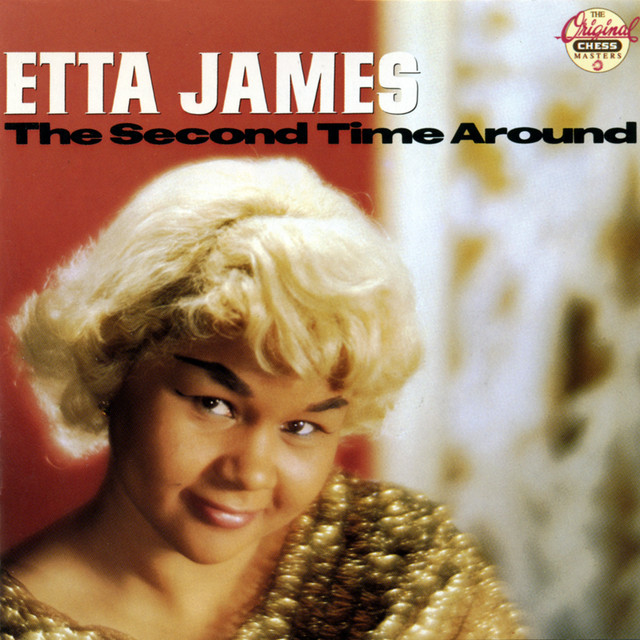
The Gospel Influence on Etta James
Etta James’ rendition of "Don't Cry Baby" is a striking example of how gospel music informs the emotional weight of blues and soul. Originally composed by James P. Johnson in 1929, the song has been covered by various artists, but James’ version, released in 1960 on her album "At Last!", delivers a heartfelt interpretation that showcases her gospel roots.
James was born Jamesetta Hawkins in 1938 and grew up in a church environment that nurtured her vocal talent. This background is pivotal in understanding the soul-stirring quality of her voice in "Don't Cry Baby." The way she bends notes and infuses her performance with a raw, spiritual intensity mirrors the emotional catharsis found in gospel music.
Raw Emotion and Vulnerability
The lyrics of "Don't Cry Baby" communicate vulnerability and longing, themes that resonate deeply within gospel traditions. Lines like
reveal a desire for comfort and solace, reminiscent of the call-and-response patterns typical in gospel music. This structure invites listeners to engage with the emotion rather than merely observe it."Don't cry baby, don't you cry no more"
James’ vocal delivery is filled with a kind of spiritual urgency that is often found in gospel performances. The way she transitions from a soft plea to a powerful proclamation encapsulates the emotional rollercoaster that many gospel songs navigate. In her hands, "Don't Cry Baby" transforms from a simple expression of heartbreak into a soul-searching anthem that demands empathy.
Musical Elements and Gospel Roots
The arrangement of "Don't Cry Baby" also draws heavily from gospel influences. The lush instrumentation, featuring smooth horn sections and a steady rhythm, creates a backdrop that is both uplifting and melancholic. This blend mirrors the duality often found in gospel music, where joy and sorrow coexist in harmony.
James P. Johnson, the song's composer, was a pivotal figure in the Harlem Renaissance and is best known for his contributions to jazz and blues.
Furthermore, the use of call-and-response elements, even if subtle, is a testament to gospel's influence. James’ powerful delivery invites a communal listening experience, allowing fans to share in the emotional gravity of the song. This aspect is critical in understanding why her interpretation feels more like a conversation than a mere performance.
A Lasting Legacy
James’ impact on music extends beyond her individual tracks. Her ability to infuse her music with gospel elements has inspired countless artists across genres. When she sings, it’s not just about the notes; it’s about the lived experience, the struggles, and triumphs she conveys through her voice.
In a world where emotional authenticity is sometimes overshadowed by commercial interests, Etta James stands as a beacon of genuine artistry. "Don't Cry Baby" is not just a song; it’s a testament to the power of music to heal and connect. Her legacy is a reminder that at the core of great music lies the ability to evoke profound feelings, a lesson rooted firmly in gospel tradition.