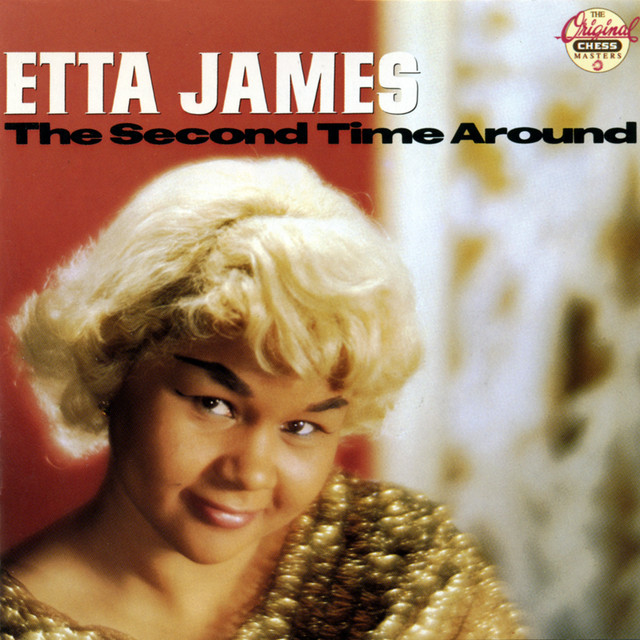
The Weight of Heartbreak
Heartbreak is a common theme in music, but few artists have captured its raw essence like Etta James. Her rendition of "Don't Cry Baby," a classic originally recorded in 1929, showcases not just her vocal prowess but also her ability to channel personal pain into her art. James's version, released on her 1960 album At Last!, is a masterclass in blending vulnerability with power.
Contextual Roots
Written by James P. Johnson with lyrics by Saul Bernie and Stella Unger, "Don't Cry Baby" has a storied history. Etta James revitalized this standard, transforming it into a soulful anthem of resilience. While the original version had its charm, James's interpretation brought a fresh emotional weight, reflective of her own tumultuous experiences in love and life.
Emotional Delivery
James's voice, rich with texture and sincerity, delivers lines that resonate with anyone who has ever felt the sting of separation. Her phrasing captures a sense of urgency, particularly in the way she implores,
This plea is more than just a lyric; it’s a heartfelt command born out of her own struggles."Don't cry, baby, don't cry."
Personal Struggles
James’s life was marked by challenges that informed her music. From battling addiction to navigating relationships that often ended in heartbreak, her experiences lent authenticity to her performances. Songs like "Don't Cry Baby" allowed her to express the pain she endured, making her artistry not just a performance but a reflection of her reality.
Musical Arrangement
The arrangement of "Don't Cry Baby" complements James's emotional intensity. The lush instrumentation, combined with her dynamic vocal delivery, propels the song forward. Each note seems to echo her sorrow, turning what could be a simple plea into an anthem of strength. The way she transitions between softer tones and powerful crescendos creates a captivating emotional arc.
Legacy of Heartbreak
James’s interpretation of "Don't Cry Baby" has influenced countless artists, establishing a template for expressing heartbreak through music. Her ability to transform personal pain into universally relatable art is what sets her apart. This song, in particular, serves as a reminder that vulnerability can indeed be a source of strength.
Did you know? Etta James's career spanned over five decades, earning her six Grammy Awards and 17 Blues Music Awards, highlighting her profound impact on the music industry.
The Timeless Appeal
Even decades after its release, "Don't Cry Baby" continues to resonate with listeners. Etta James's performance is a blend of heartbreak and hope, teaching us that expressing our feelings, no matter how painful, can lead to artistic liberation. Her soulful rendition remains a testament to the transformative power of music.