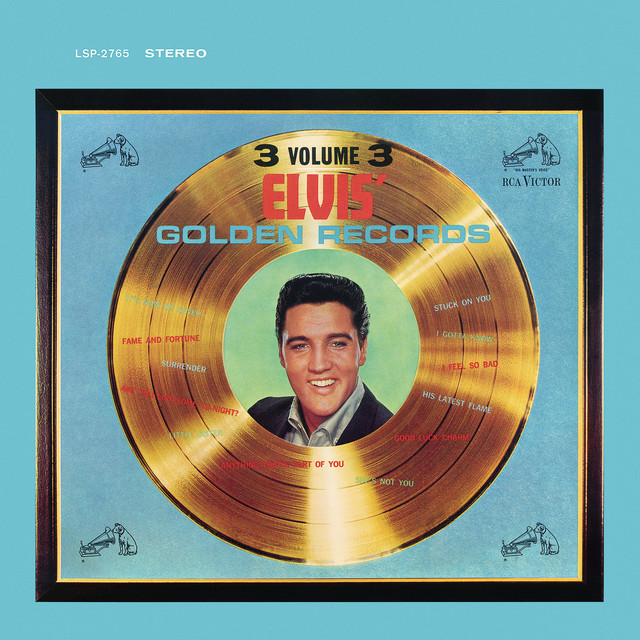
Doo-Wop's Subtle Touch
When Elvis Presley released "Little Sister" in 1961, it may have seemed like a straightforward rockabilly track. However, a closer listen reveals the undeniable influence of doo-wop in its composition and vocal delivery. The song is a masterclass in how genres can intermingle, creating something fresh while paying homage to past styles.
Produced by the legendary Steve Sholes, "Little Sister" showcases Presley's knack for melding different musical influences into a cohesive sound. The doo-wop elements primarily shine through in the backing vocals, which echo the smooth, harmonious style that characterized the genre in the late 1950s. This is not just a gimmick; it adds a layer of emotional depth to the track, transforming the narrative into a compelling plea.
A Medley of Styles
Presley’s performance of "Little Sister" is further immortalized in the 1970 rockumentary "Elvis: That’s the Way It Is," where he seamlessly transitions into a medley with The Beatles’ "Get Back." This juxtaposition highlights the fluidity of musical styles during that era, blending rock, pop, and R&B influences. The way Presley navigates these shifts reflects his versatility and the adaptability of rock music itself.
In "Little Sister," the lyrical content is playful yet urgent. Lines like
present a cautionary tale wrapped in a catchy melody. The doo-wop backing vocals amplify this playful warning, giving the song a lively and youthful spirit. It’s a blend that makes listeners want to sway and sing along, embodying the essence of both rockabilly and doo-wop."Little sister, don’t you do what your big sister done"
Bridging Generations
Doo-wop emerged in the late 1940s and gained popularity throughout the 1950s, characterized by its vocal harmonies and rhythm. As Elvis navigated the musical landscape of the early '60s, he didn’t just adopt the style; he transformed it, allowing it to coexist with rockabilly—a genre he helped define. This fusion is evident in the rhythmic cadence of the verses and the melodic hooks that make "Little Sister" so memorable.
Lines like
come off as both humorous and sincere, a hallmark of the doo-wop narrative style. The playful jealousy expressed in the lyrics is underscored by the infectious doo-wop harmonies that echo throughout the chorus, creating a sound that is both nostalgic and contemporary for its time."I don’t want to see you with my sister"
The Legacy of 'Little Sister'
"Little Sister" has remained a staple in Elvis's catalog, showcasing how influences can create lasting art. The song exemplifies how doo-wop's distinctive style can enhance rock music, enriching the listening experience. In a way, Presley's ability to weave these influences together paved the path for future artists to explore genre-blending.
Ultimately, the doo-wop influence in "Little Sister" serves as a reminder that music is an evolving dialogue between past and present. It reflects the spirit of experimentation that defined the early rock and roll era, as artists like Presley pushed boundaries while keeping their roots firmly in sight.
Elvis's "Little Sister" was part of the album "Something for Everybody," released in 1961, showcasing his versatility during a pivotal time in music history.