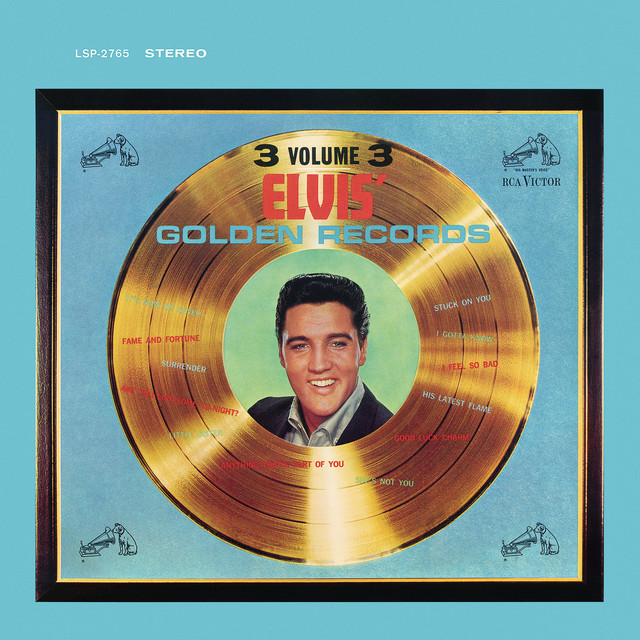
The Sound of Change
Released in 1961 as part of the album Something for Everybody, Elvis Presley’s "Little Sister" is more than just a catchy tune; it’s a microcosm of the cultural shifts sweeping across America in the early 1960s. The song, with its rockabilly roots and playful narrative, showcases a transitional moment in music that was beginning to reflect the complexities of youth culture and gender dynamics.
At its core, "Little Sister" tells a story of jealousy and protectiveness, where the narrator warns against the advances of a potential suitor. With lines like
, Presley captures a brotherly concern that resonates with the changing family structures of the time. The early 1960s marked the tail end of the post-war era, where traditional values were beginning to clash with a burgeoning sense of individualism."Little sister, don’t you, don’t you, don’t you know?"
Cultural Context
The early 1960s were a time when the youth were starting to assert themselves, both socially and musically. Rock 'n' roll was evolving, moving from the rebellious sounds of the 1950s into a more nuanced genre that would soon embrace the counterculture movements of the later part of the decade. Elvis, a figure who had initially embodied youthful rebellion, was now adapting to the changing times.
In this sense, "Little Sister" is reflective not only of personal dynamics but also of a broader cultural narrative. The song’s cheeky tone and catchy rhythm stand in stark contrast to the deeper social issues that were bubbling beneath the surface, such as the fight for civil rights and the questioning of traditional gender roles. Elvis’s playful delivery masks a more serious undertone—one that hints at the tension between desire and familial loyalty.
The Medley and Its Significance
In 1970, Presley performed "Little Sister" as part of a medley with The Beatles' "Get Back" in the rockumentary Elvis: That’s the Way It Is. This performance is emblematic of the era's musical cross-pollination, showing how Elvis was not just a king of rock ‘n’ roll but also a cultural chameleon. By pairing his work with that of The Beatles, Presley acknowledged the shifting landscape of music and the need to adapt to new influences.
This blending of styles and eras was a hallmark of the 1960s, as artists began to incorporate different sounds and themes into their music. The collaboration of disparate musical identities speaks to the emergence of a more inclusive cultural dialogue, one that recognized the contributions of various styles while still holding onto the roots of rock 'n' roll.
Gender Dynamics and the Male Gaze
"Little Sister" also shines a light on the male gaze prevalent in the 1960s. The protagonist’s protectiveness over his sister can be viewed through a critical lens, revealing a possessive attitude that was common in popular media of the time. The lyrics suggest a patriarchal view, where the male figure feels entitled to dictate who his sister associates with.
This portrayal is reflective of the era's broader societal norms, where women were often relegated to supportive roles, their autonomy frequently undermined. As the feminist movements began to gain traction toward the end of the decade, songs like "Little Sister" became increasingly scrutinized for their representation of women and relationships.
Conclusion: A Snapshot of an Era
Ultimately, Elvis Presley’s "Little Sister" serves as a snapshot of the cultural shifts of the 1960s. The song encapsulates the playful yet complex dynamics of brother-sister relationships while also mirroring the changing tides of American society. As the decade progressed, the music would continue to evolve, shedding more light on social issues and personal narratives.
Interesting fact: "Little Sister" was released as a single in 1961 and was a commercial success, reaching the top of the charts, showcasing Elvis's enduring popularity.