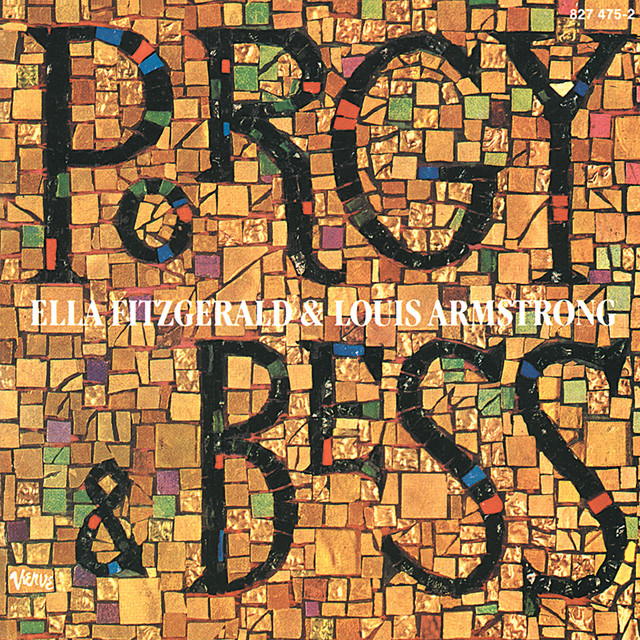
From Opera to Jazz Standard
'Summertime' is often hailed as one of the most covered songs in jazz history, yet its origins lie in the American opera 'Porgy and Bess,' composed by George Gershwin in 1934. This song, which has transcended genres and generations, was born from a unique confluence of African American culture, operatic sophistication, and Gershwin's personal artistic ambitions.
Gershwin's Creative Process
Gershwin began crafting 'Summertime' in December 1933, during a period of intense artistic exploration. He was inspired by the folk music of the South and sought to capture a distinctly American sound. The haunting melody, paired with the evocative lyrics penned by DuBose Heyward, creates an atmosphere of languid summer bliss. In Heyward's words, 'Summertime, and the livin’ is easy,' the simplicity belies the depth of emotion contained within.
A Lyrical Masterpiece
Heyward's lyrics for 'Summertime,' alongside 'My Man's Gone Now,' have been praised as some of the best in musical theater. They reflect not just the beauty of a Southern summer but also the deeper struggles of life. The imagery of the song evokes a sense of nostalgia and longing, encapsulating a moment of peace amidst turmoil.
"Summertime, and the livin' is easy"
The Impact of Ella Fitzgerald
No discussion of 'Summertime' is complete without mentioning Ella Fitzgerald's stunning rendition on her 1957 album, 'Ella Fitzgerald Sings the George Gershwin Song Book.' Her interpretation brought a fresh, jazzy sensibility that captivated audiences around the world. Fitzgerald's vocal agility and emotional depth transformed the song into a jazz standard. She infused it with a sense of improvisational freedom that would influence countless artists.
Enduring Legacy
The song has been interpreted by a multitude of artists, from Billie Holiday to Louis Armstrong, each bringing their own flavor to this timeless piece. Its adaptability speaks to the universal themes of love, longing, and the bittersweet nature of existence. Gershwin's composition has become a canvas upon which artists can express their own interpretations, making 'Summertime' an ever-evolving piece of art.
Contextual Significance
Within the opera 'Porgy and Bess,' 'Summertime' serves as a lullaby, offering solace amidst the struggles faced by the characters. This duality of joy and sorrow is a hallmark of American music, and Gershwin's ability to encapsulate it in a simple melody is a testament to his genius.
Interestingly, the song is sometimes known as 'We'll Have Manhattan' based on its opening line, showcasing its cultural crossover.
Conclusion
The unexpected origins of 'Summertime' reveal much about the evolution of American music. What began as an operatic piece has morphed into a jazz staple, embodying the spirit of creativity and cultural exchange. Its journey from the stage of 'Porgy and Bess' to the hearts of listeners worldwide is a testament to its enduring power and the brilliance of its creators.